





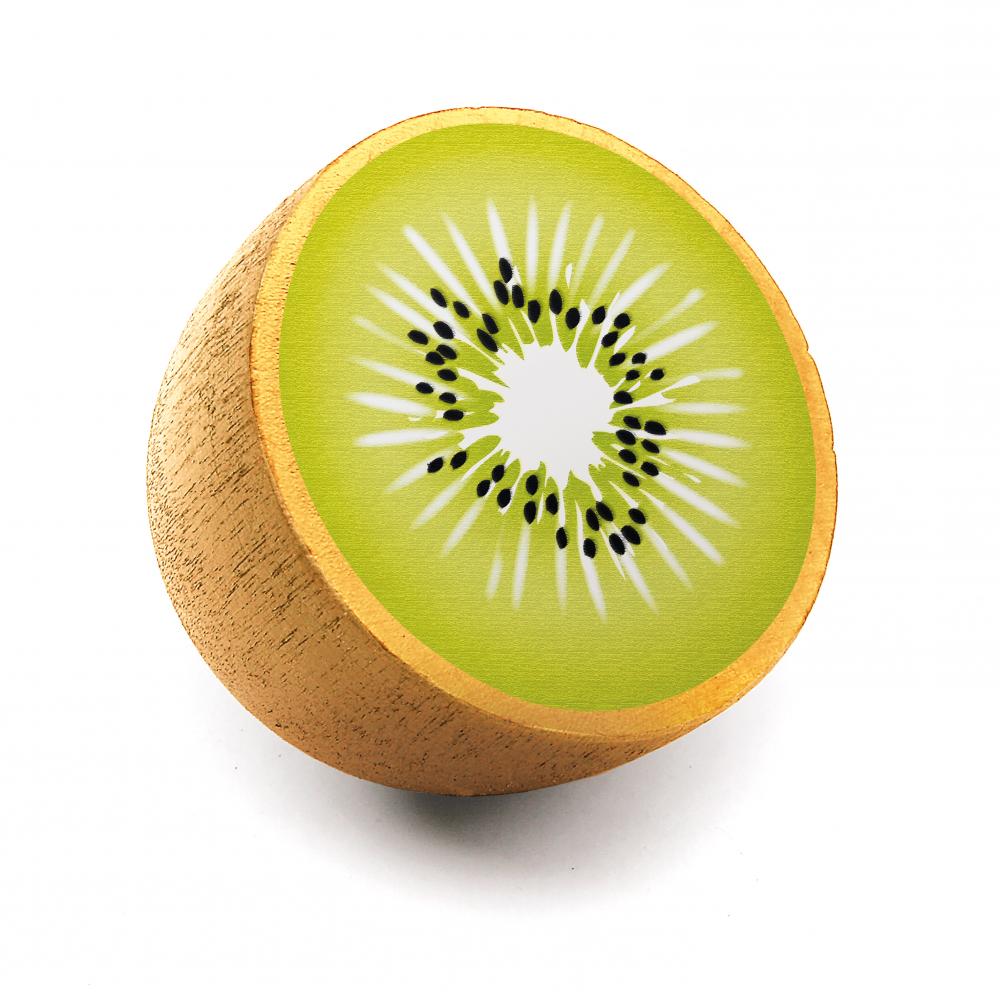
In brief: play food sets are suitable from 18 months with a few simple, sturdy pieces, then expand with food and utensils around age 2, and recipe sets or a small kitchen around age 3. Prioritize healthy materials like wood, and ranges sold individually to add to them on special occasions.
Play food, the great classic of pretend play
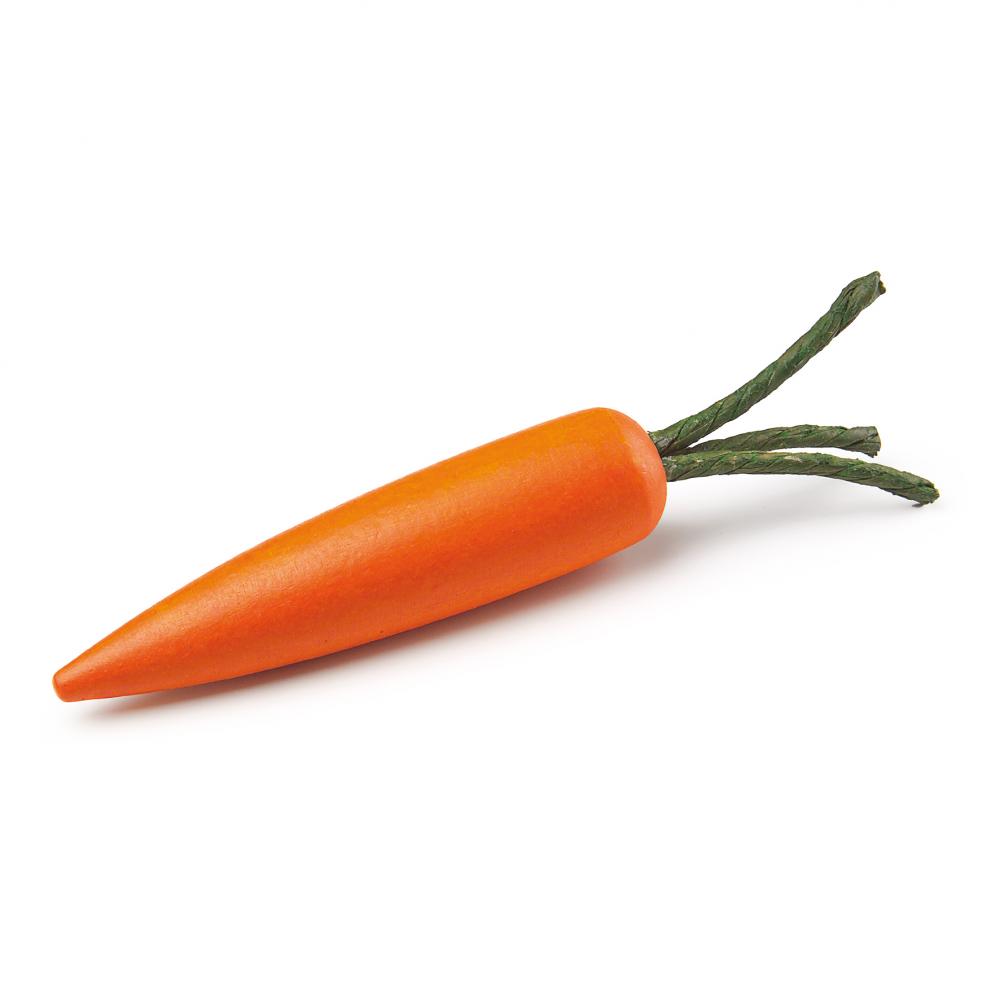
Peeling a wooden carrot, serving coffee like the grown-ups, manning the till at their own grocery shop: play food is the toy that stays with children the longest. It transcends ages because it tells the story of everyday life, the one toddlers observe every day and reenact at their own level. Our selection brings together wooden food, tableware, kitchen accessories, and everything related to shopkeeper play, in healthy materials and finishes that age well.
What will you find in our collection?
Wooden fruits, vegetables, and food
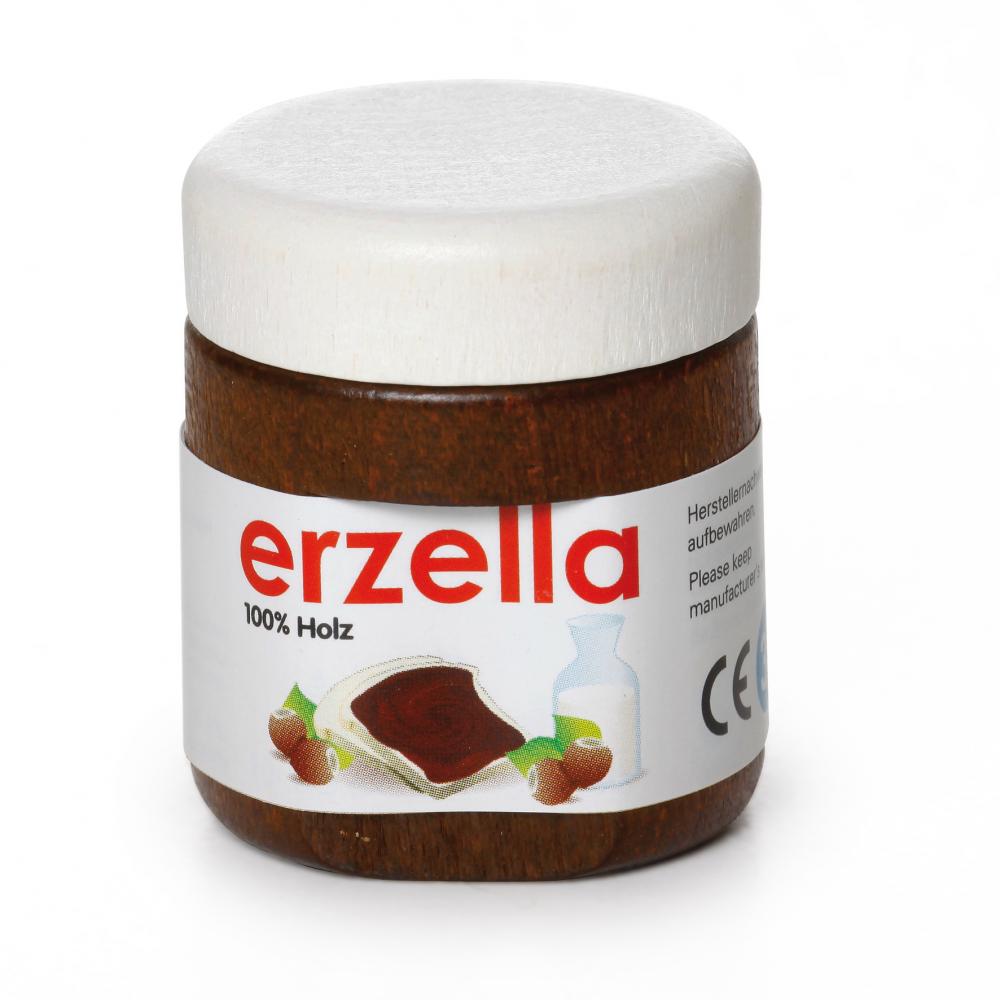
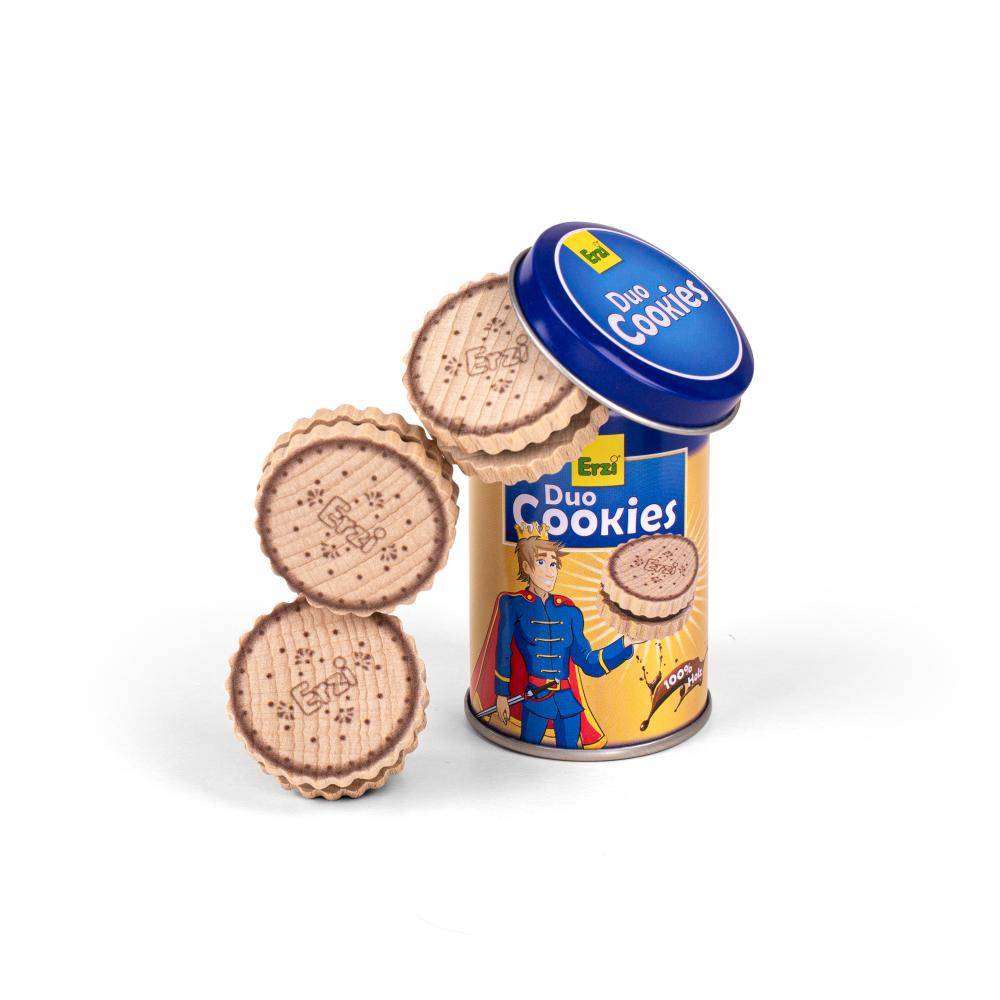
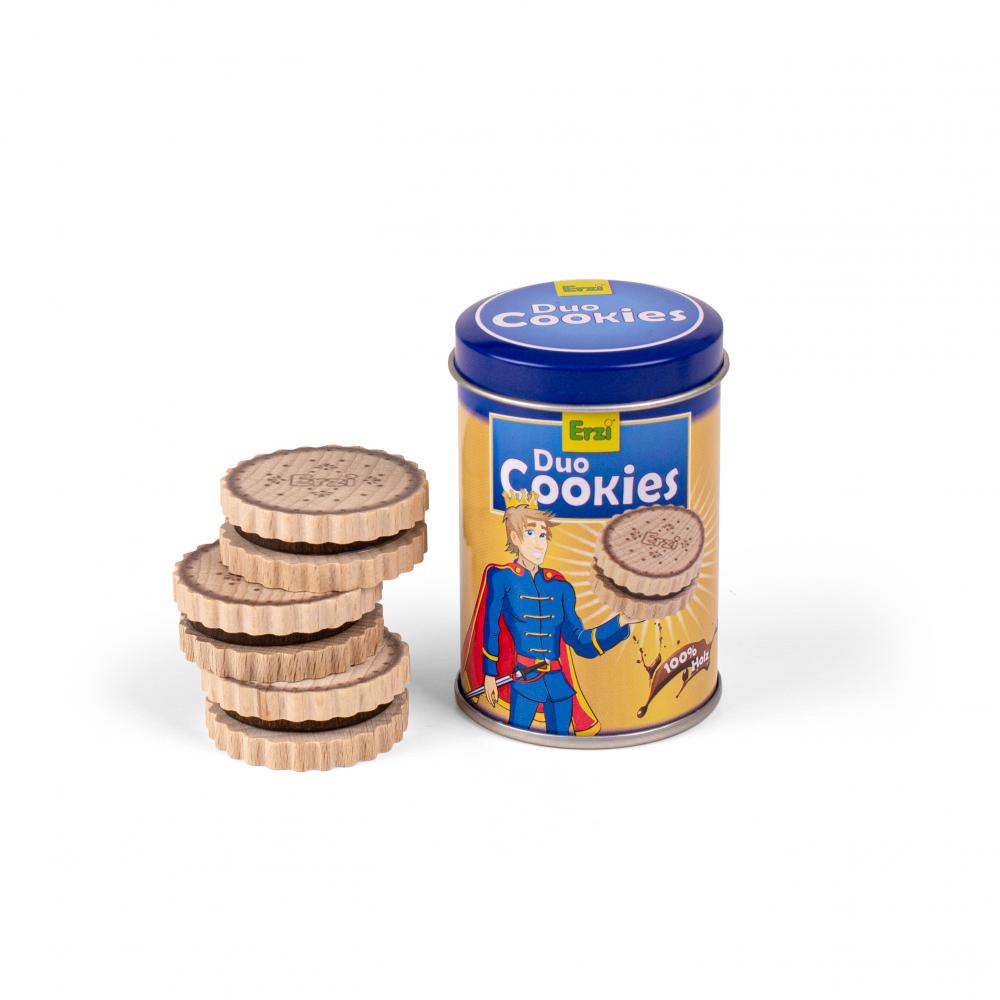
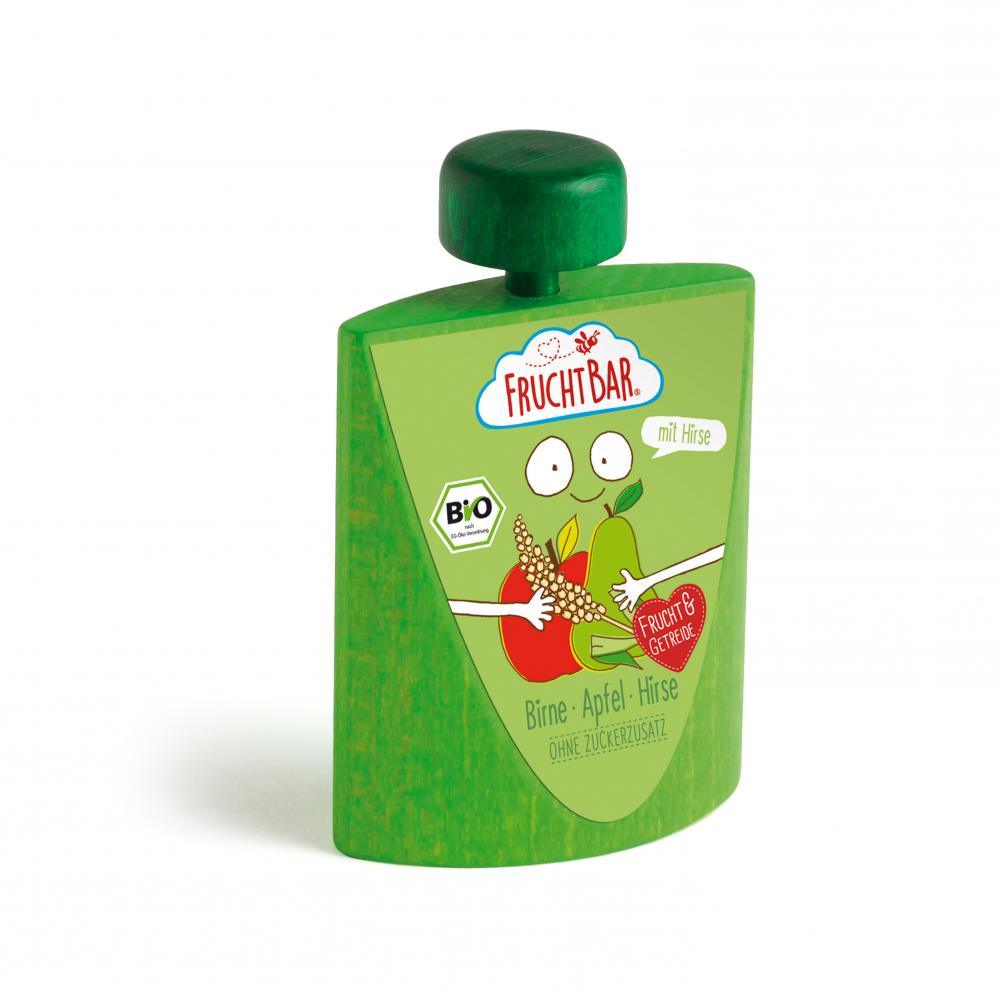
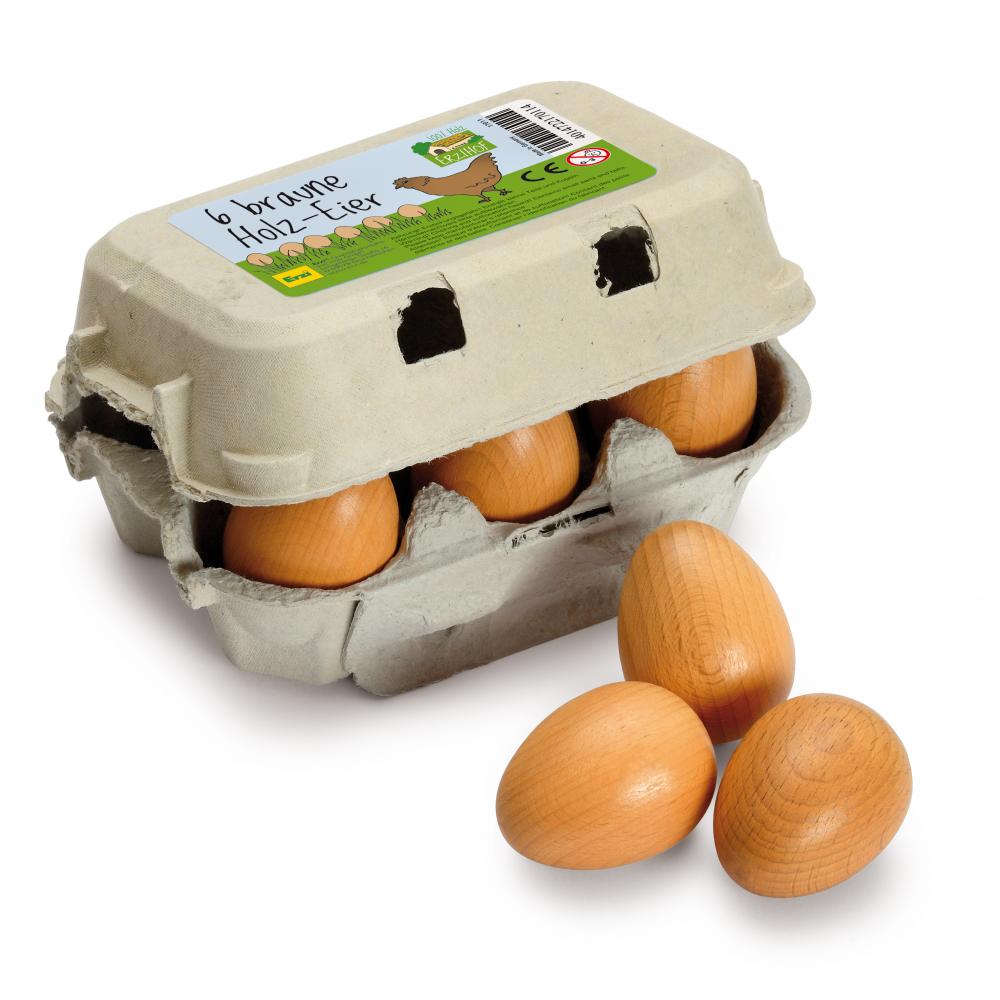
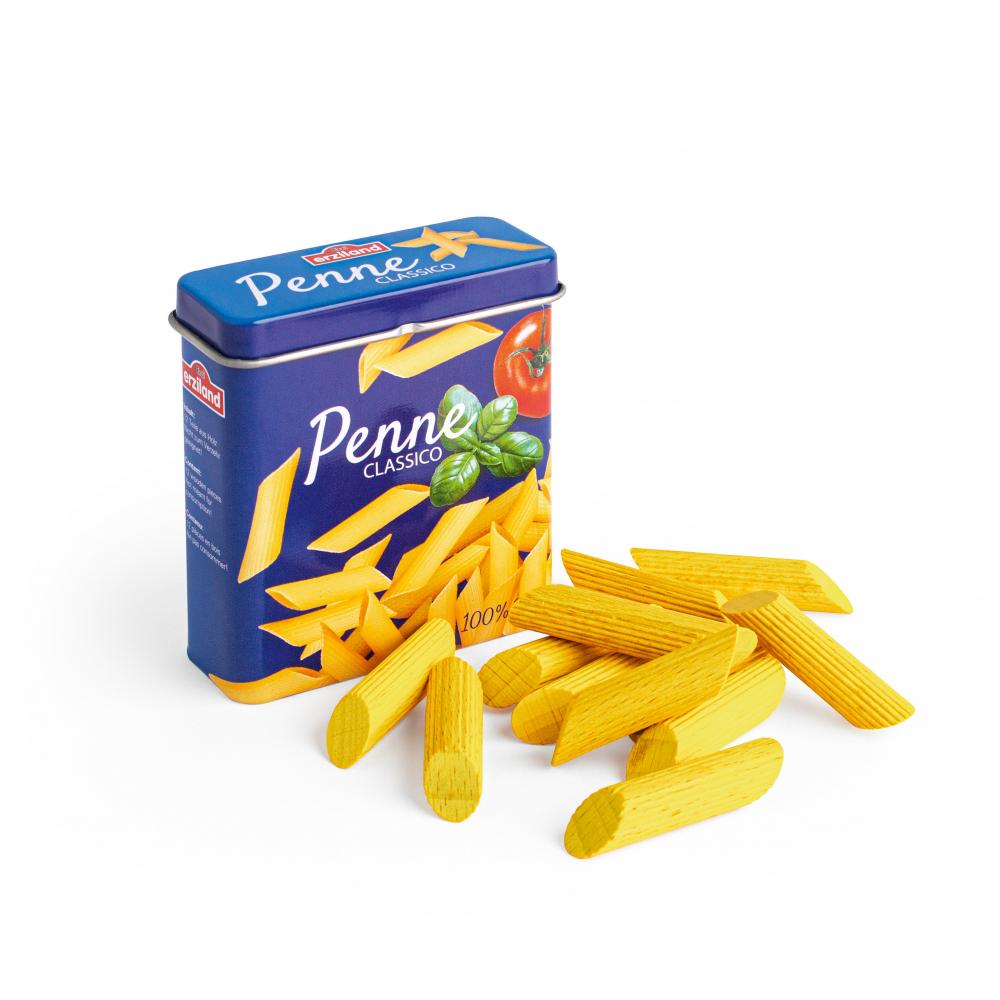
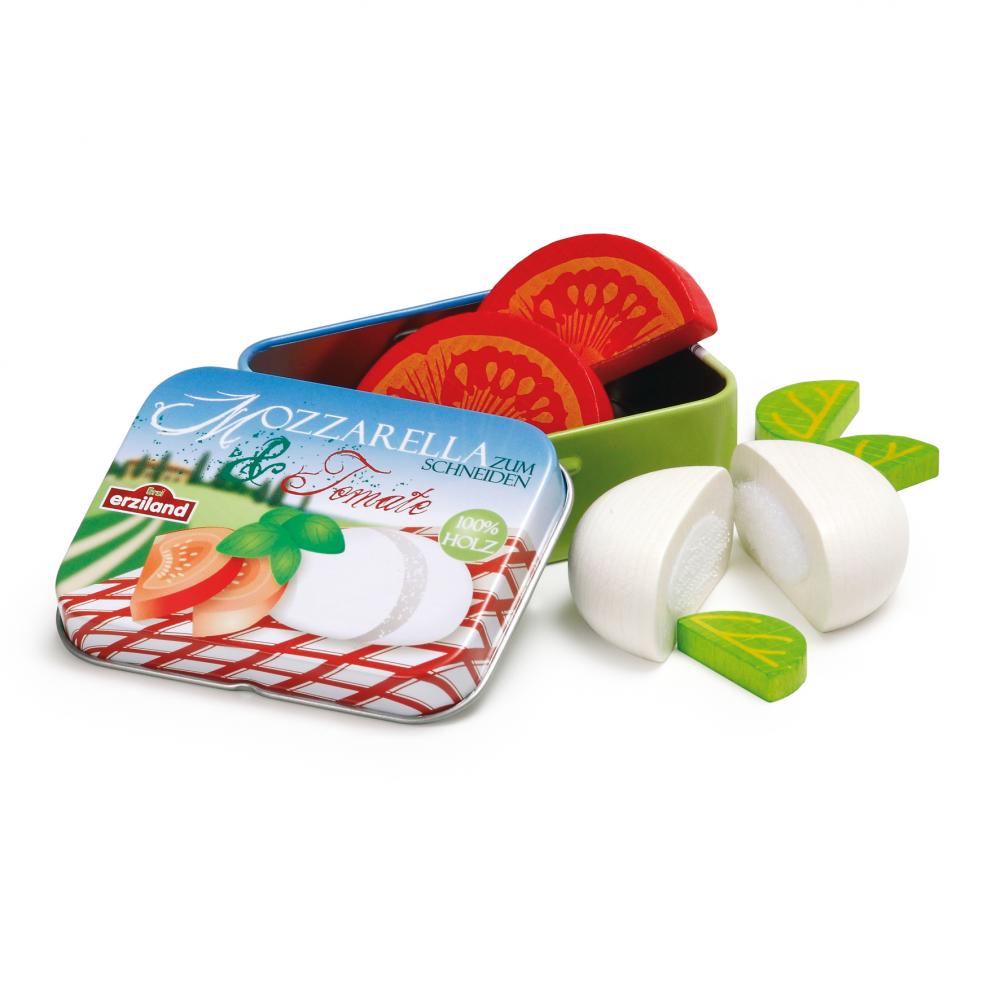
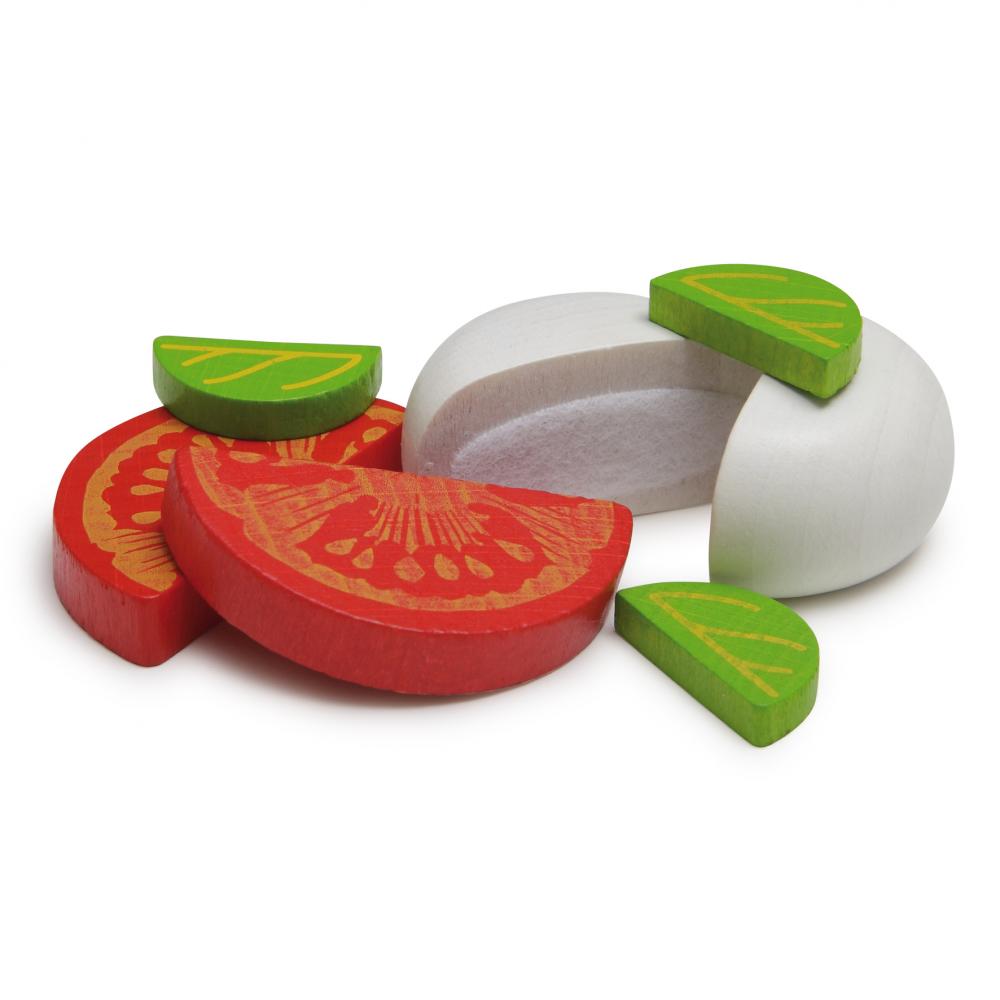
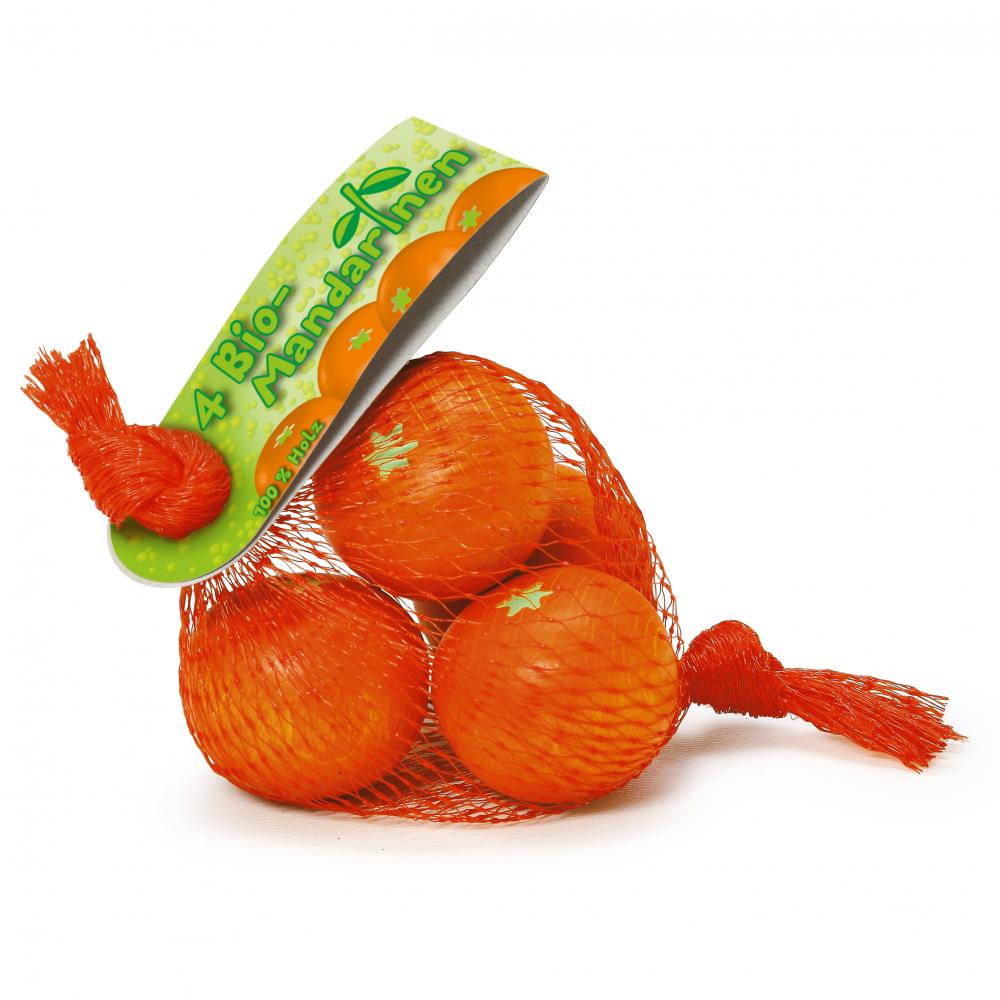
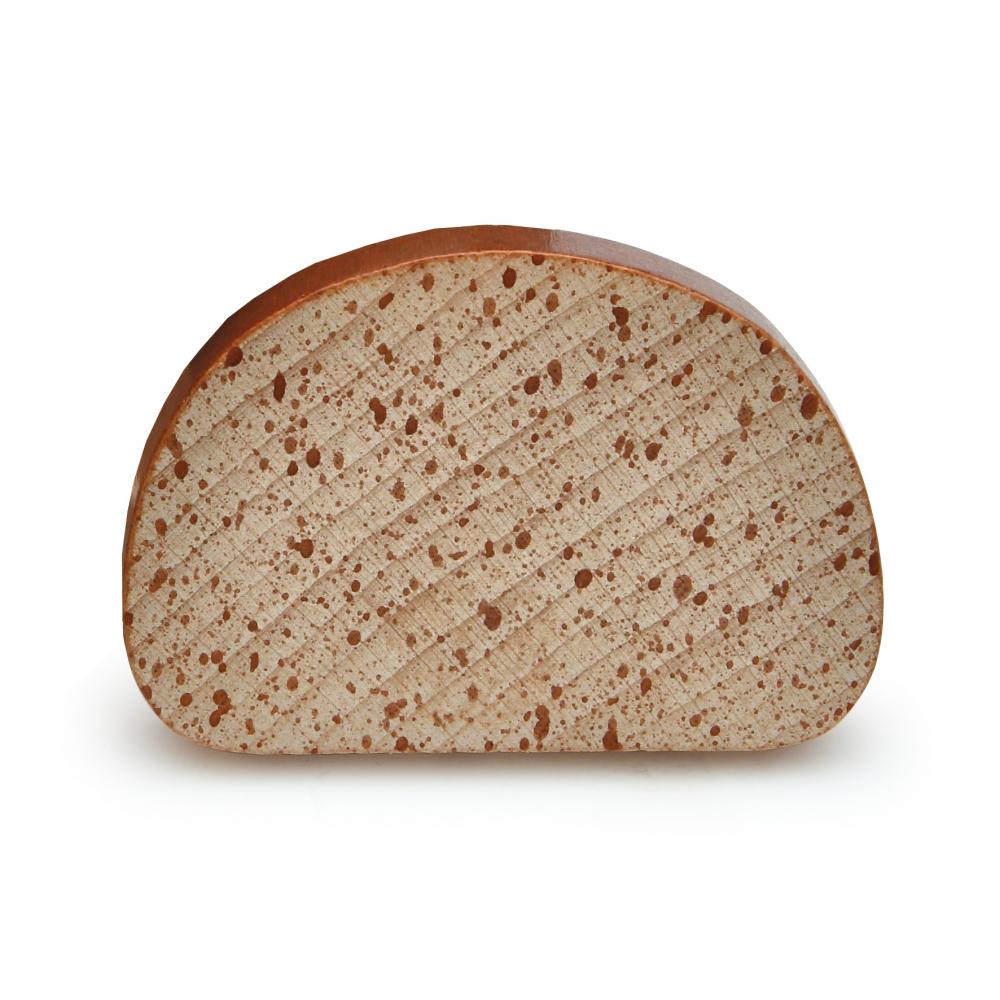
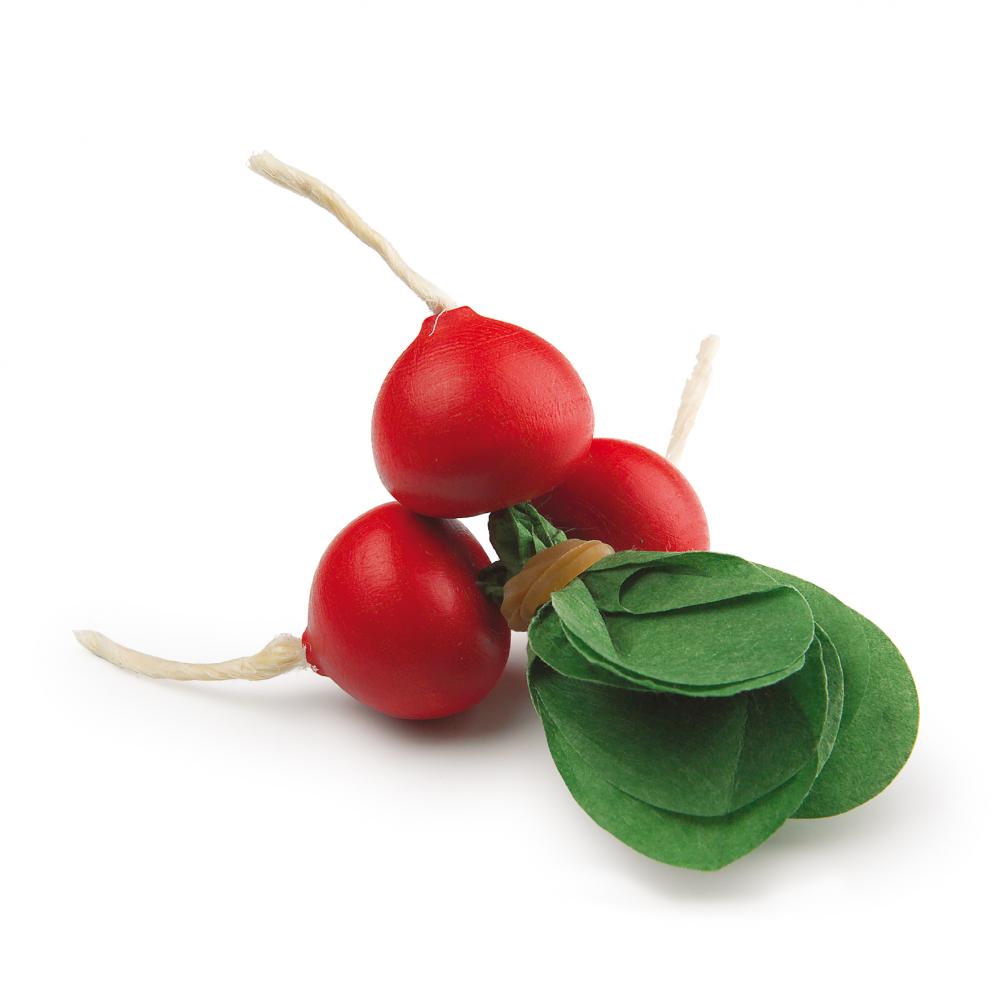
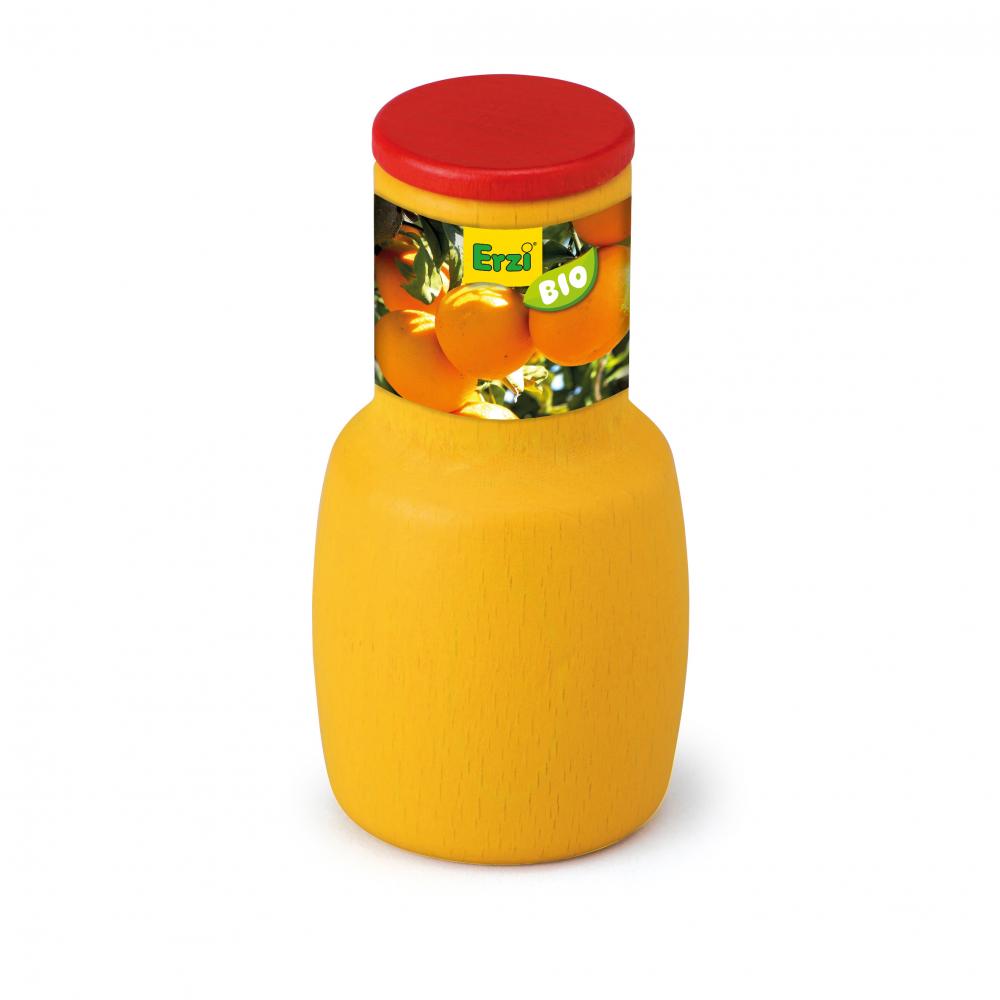
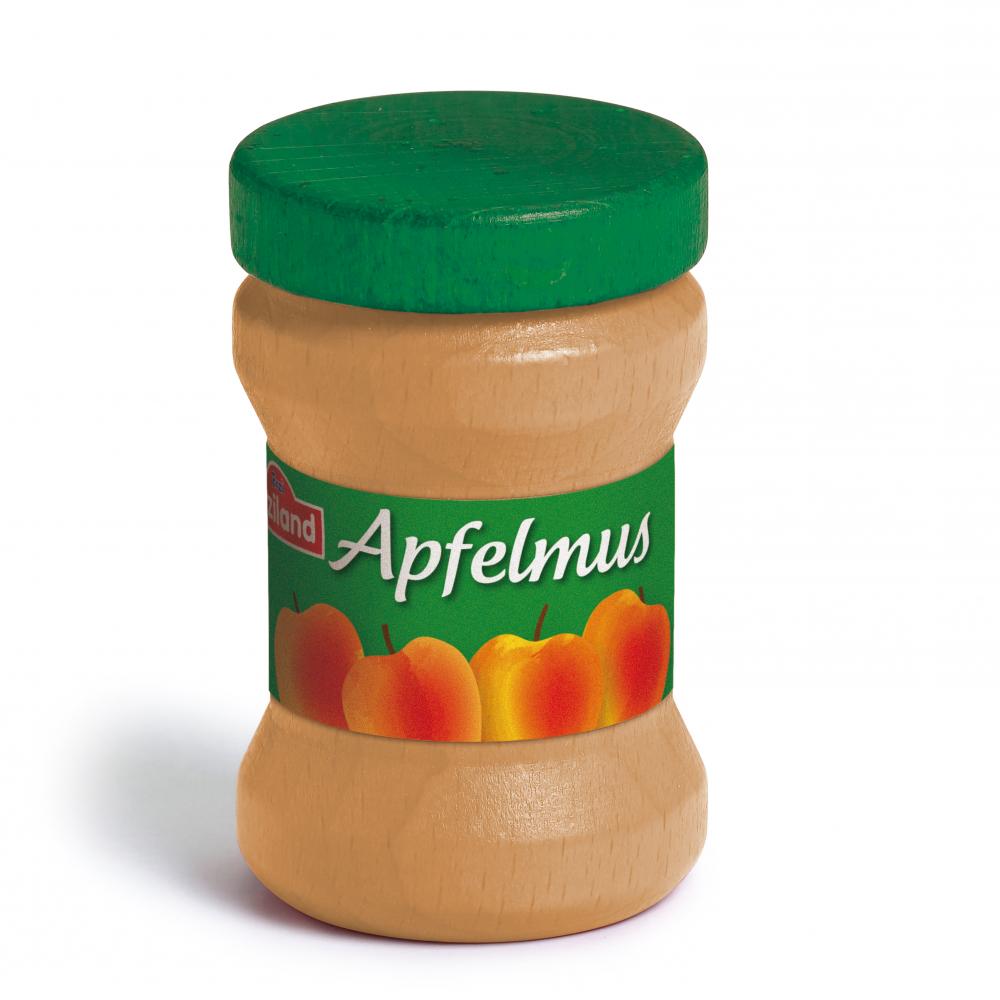
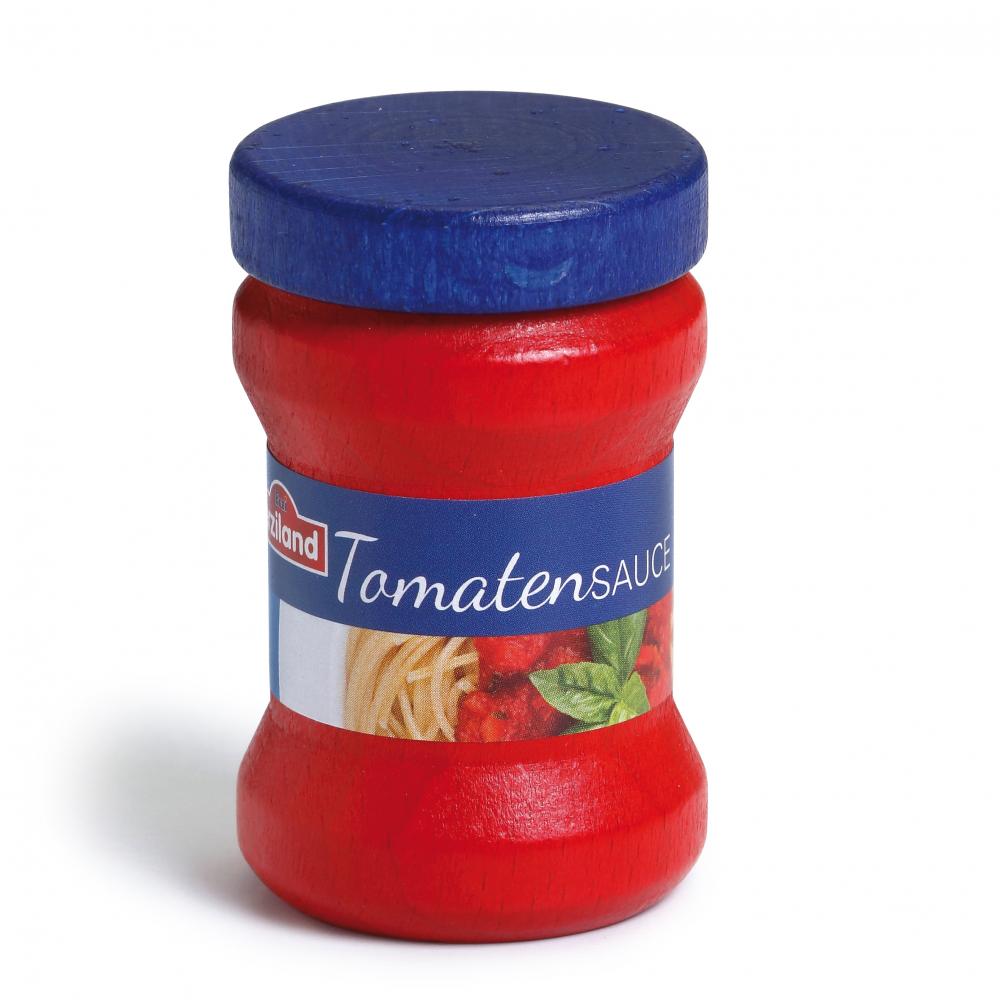
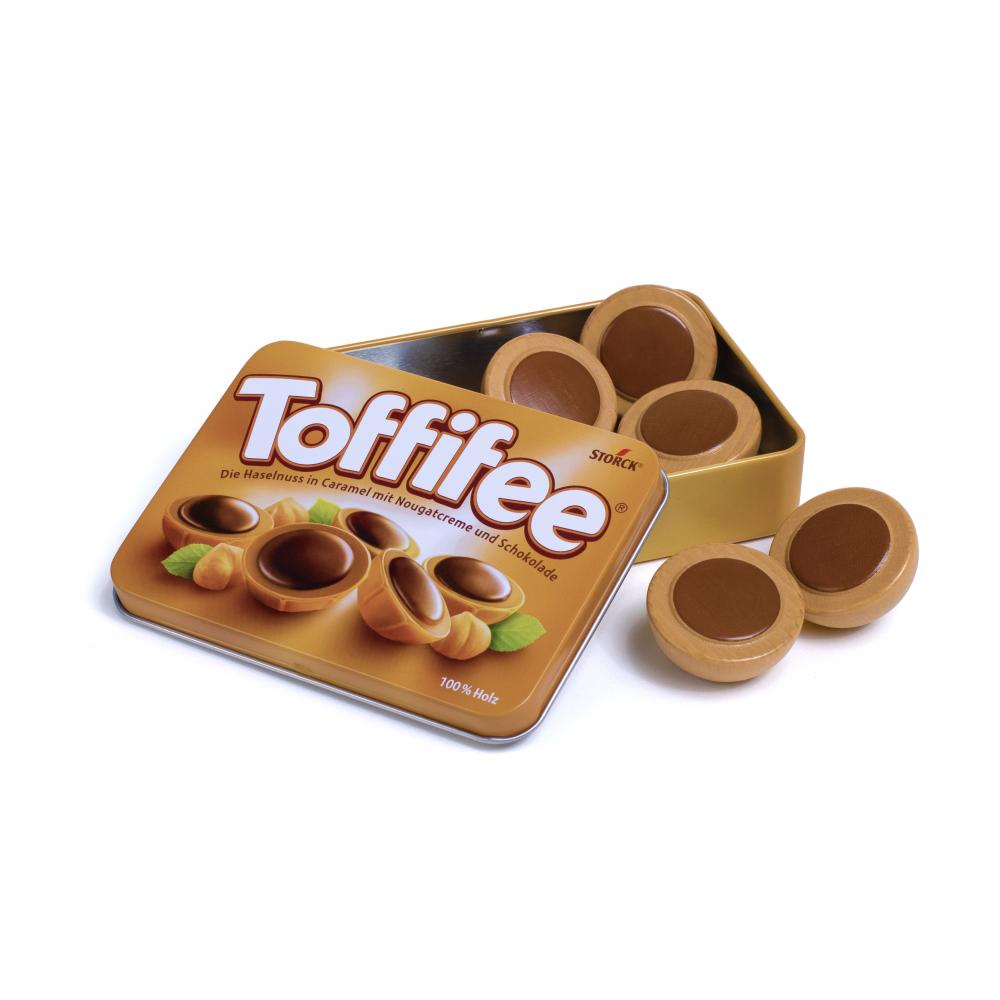
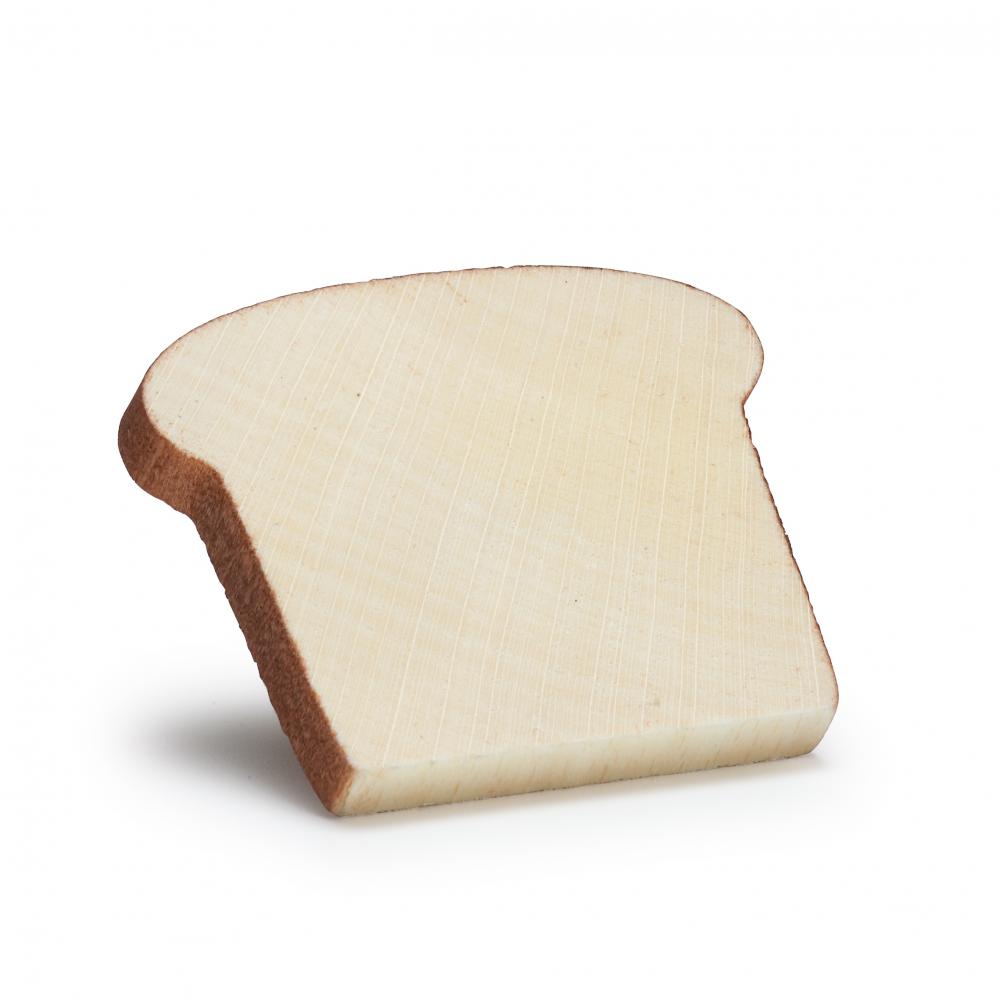
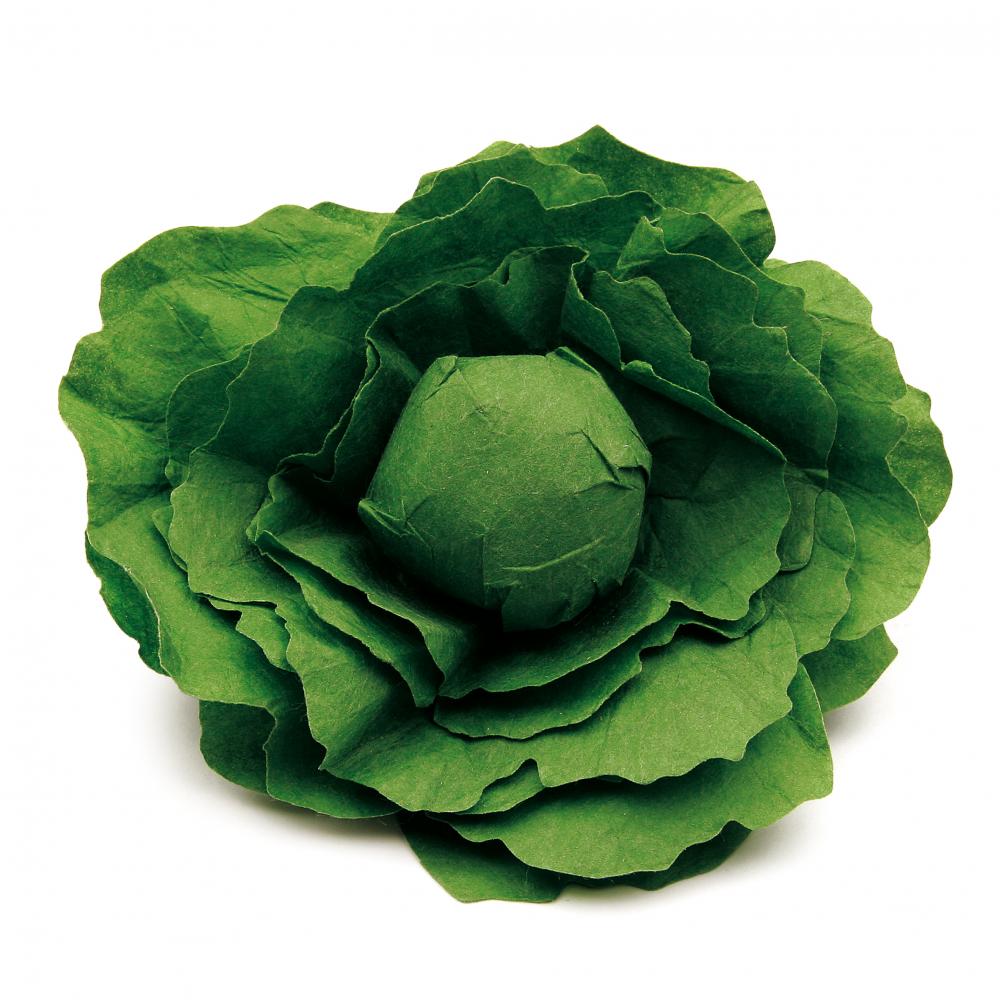
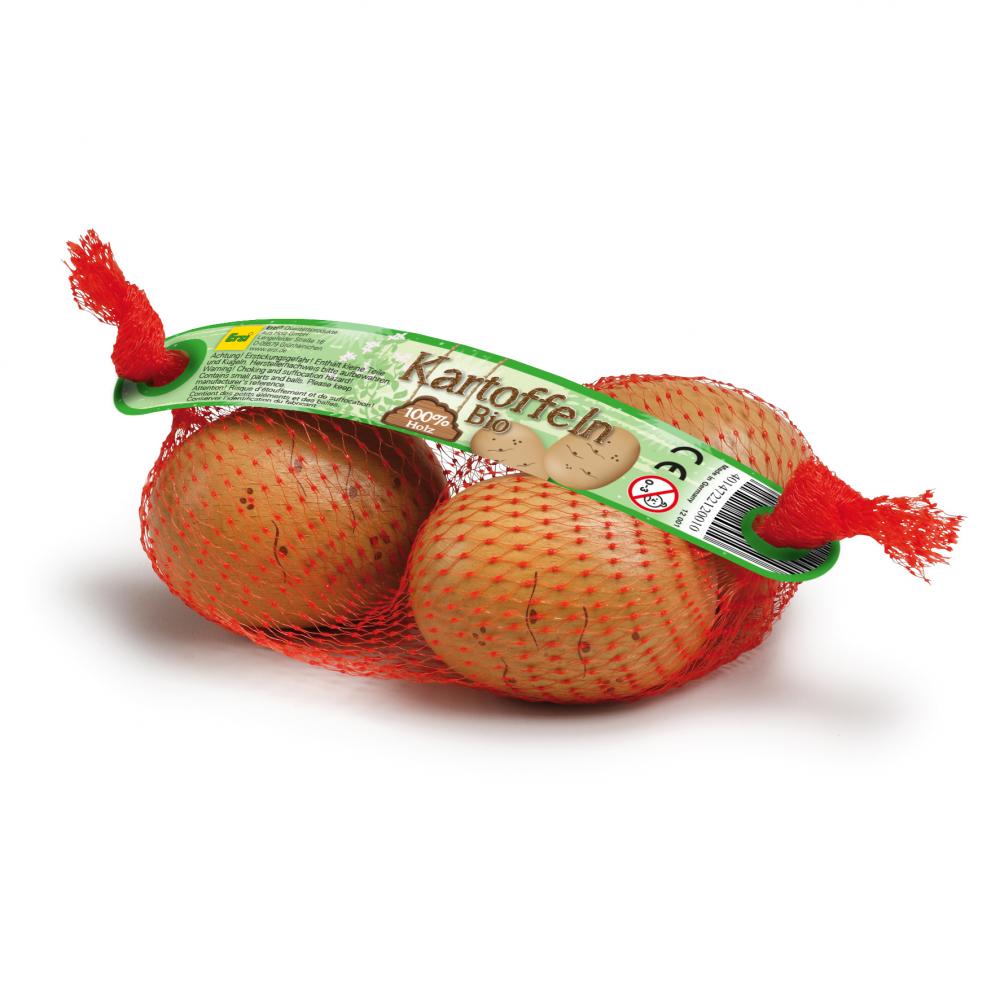
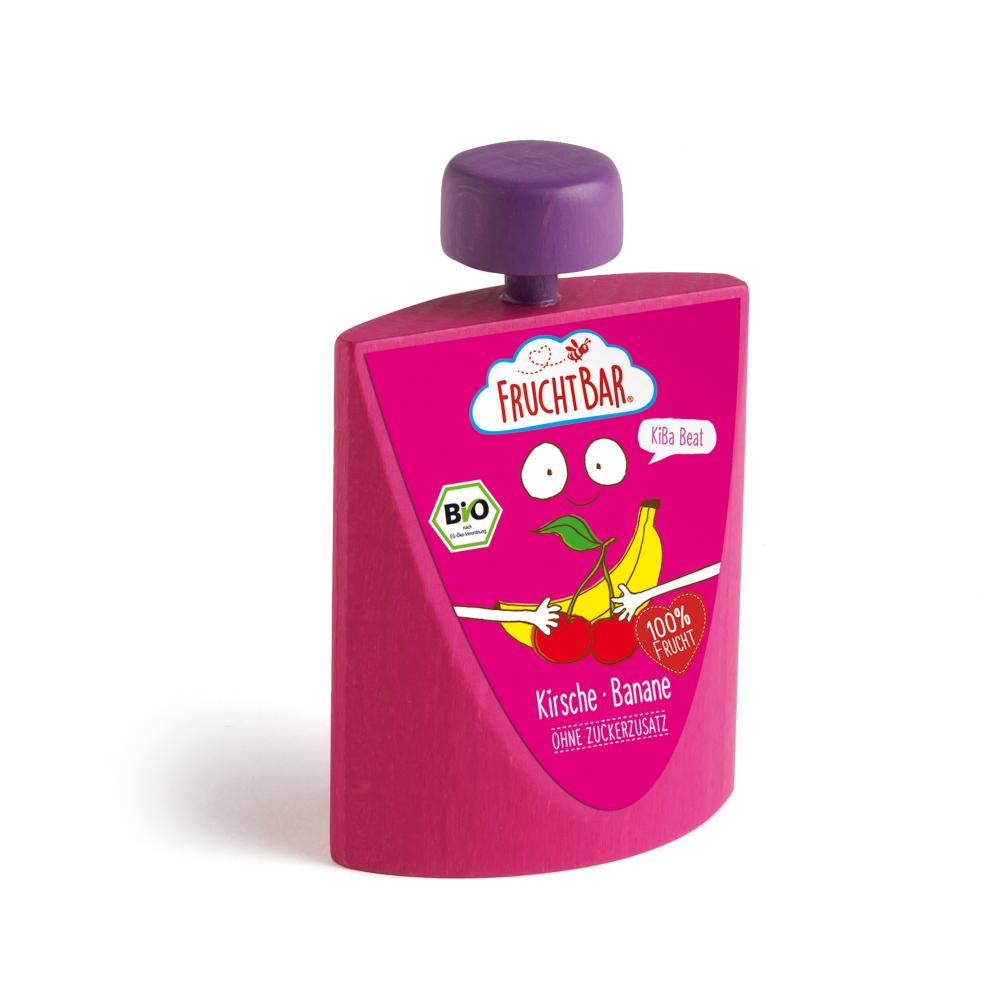
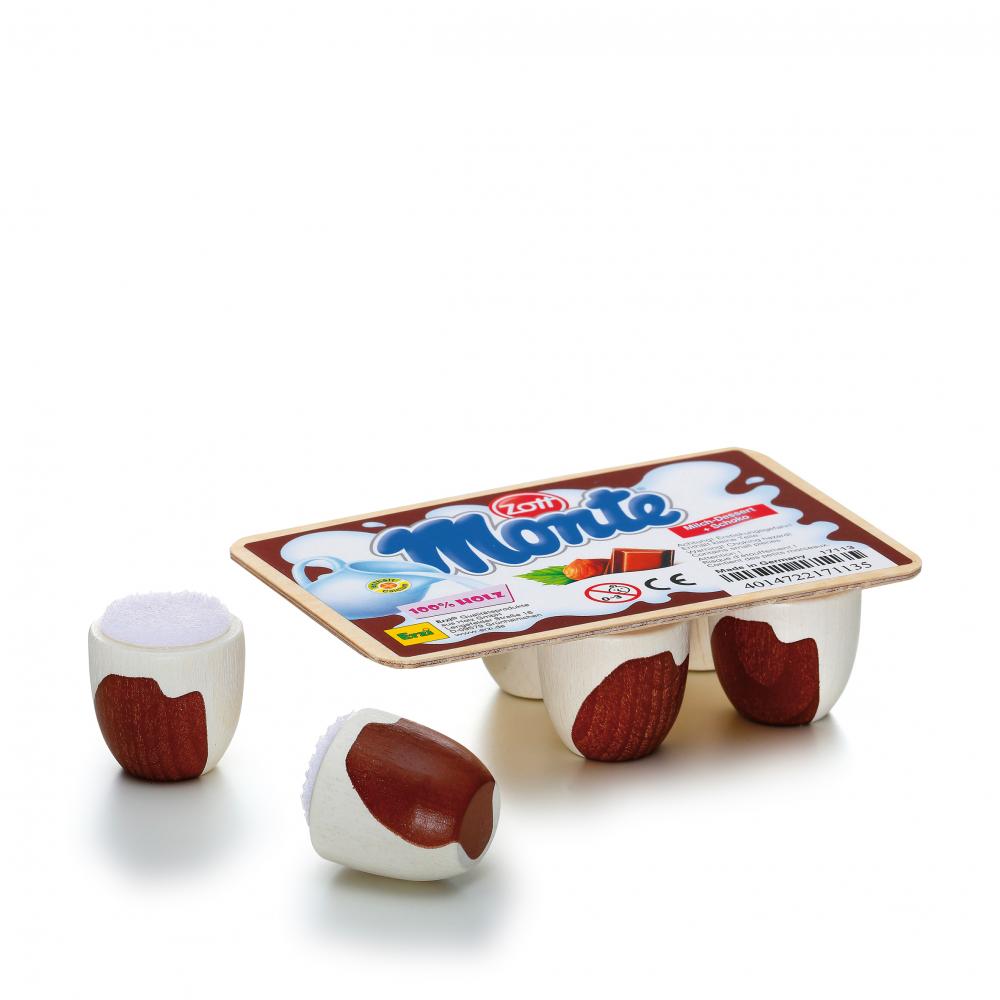
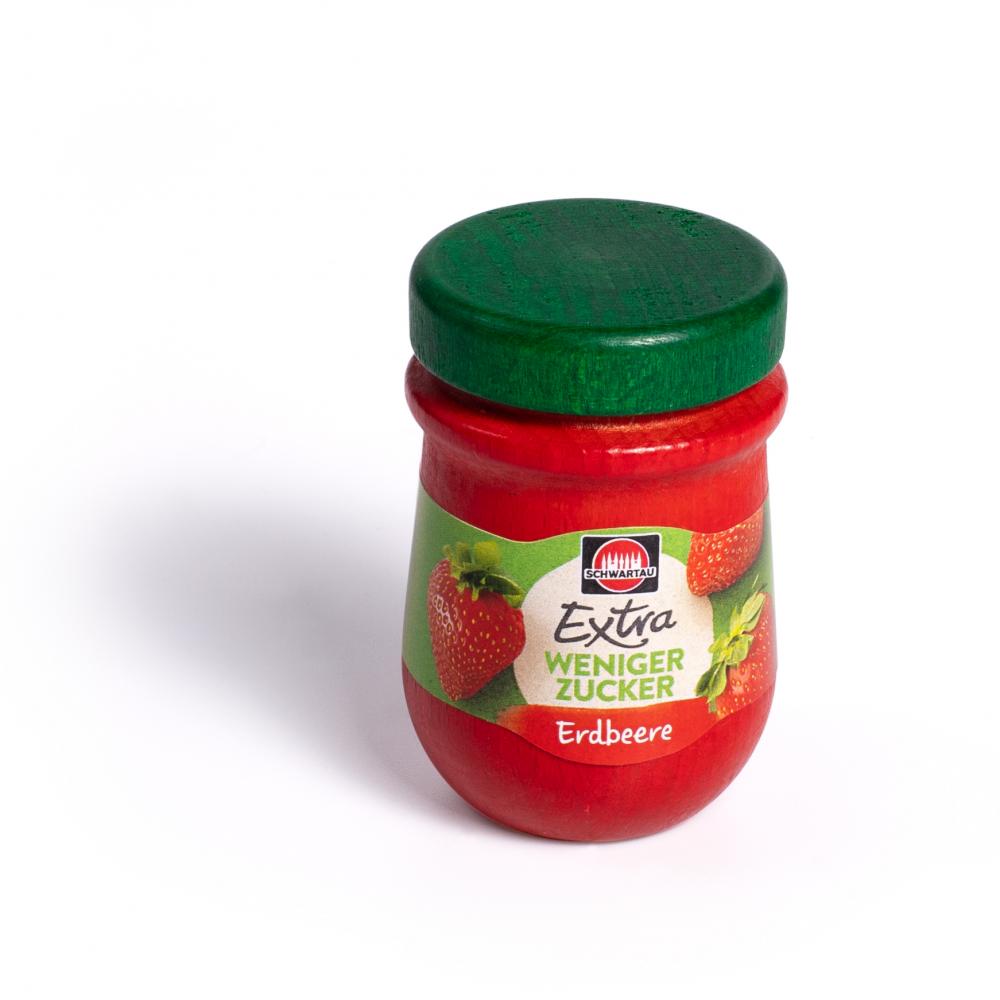
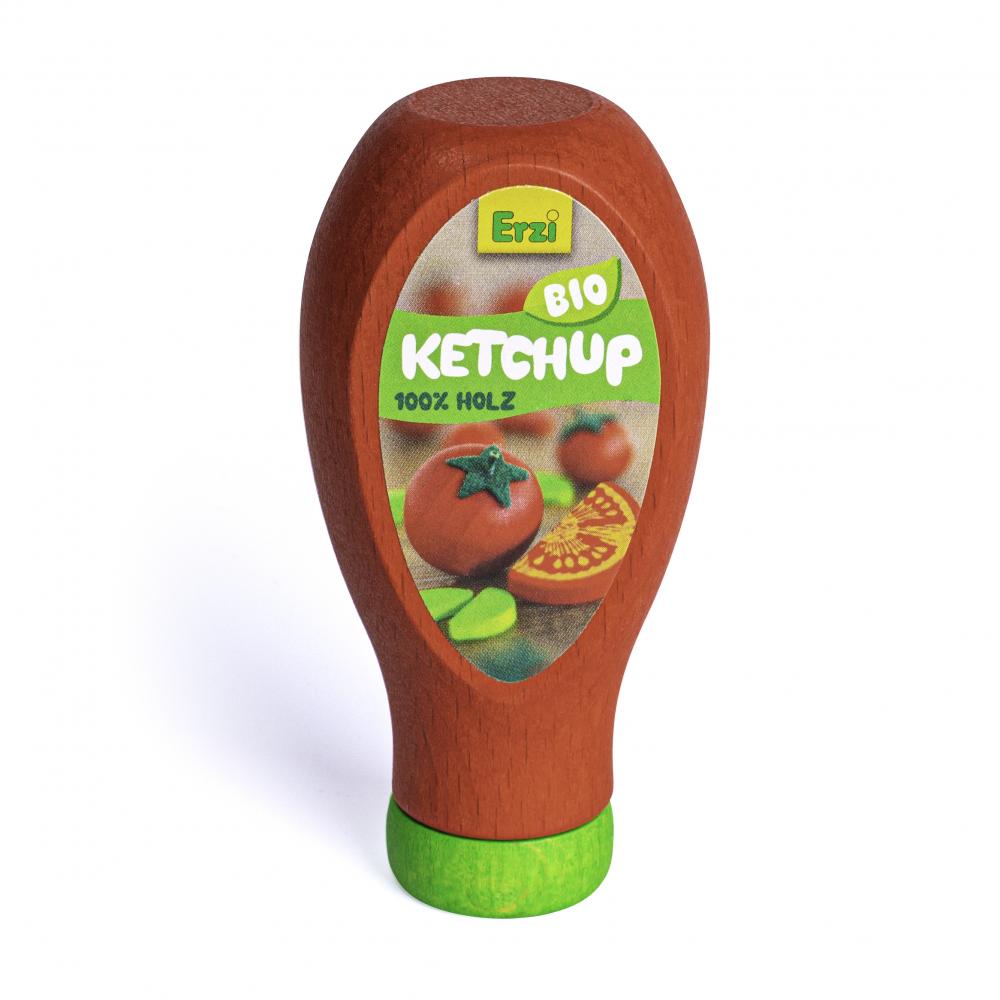
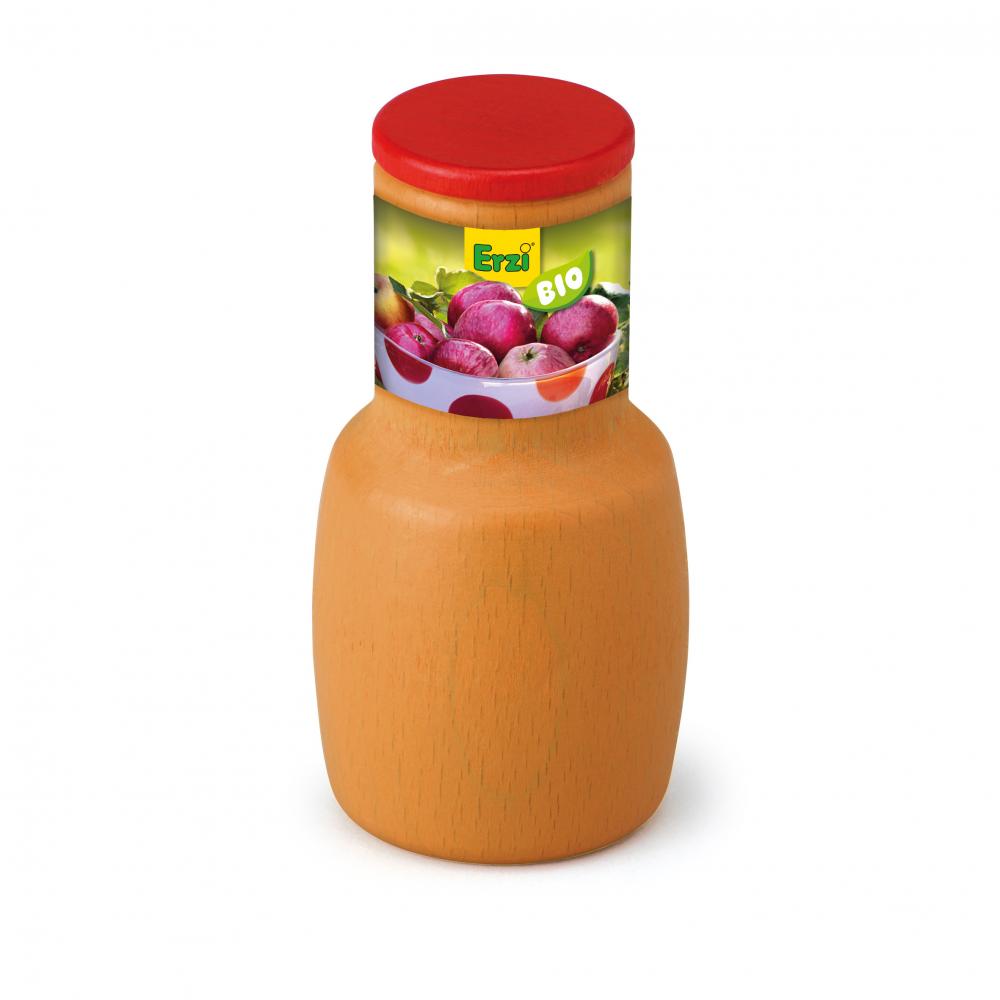
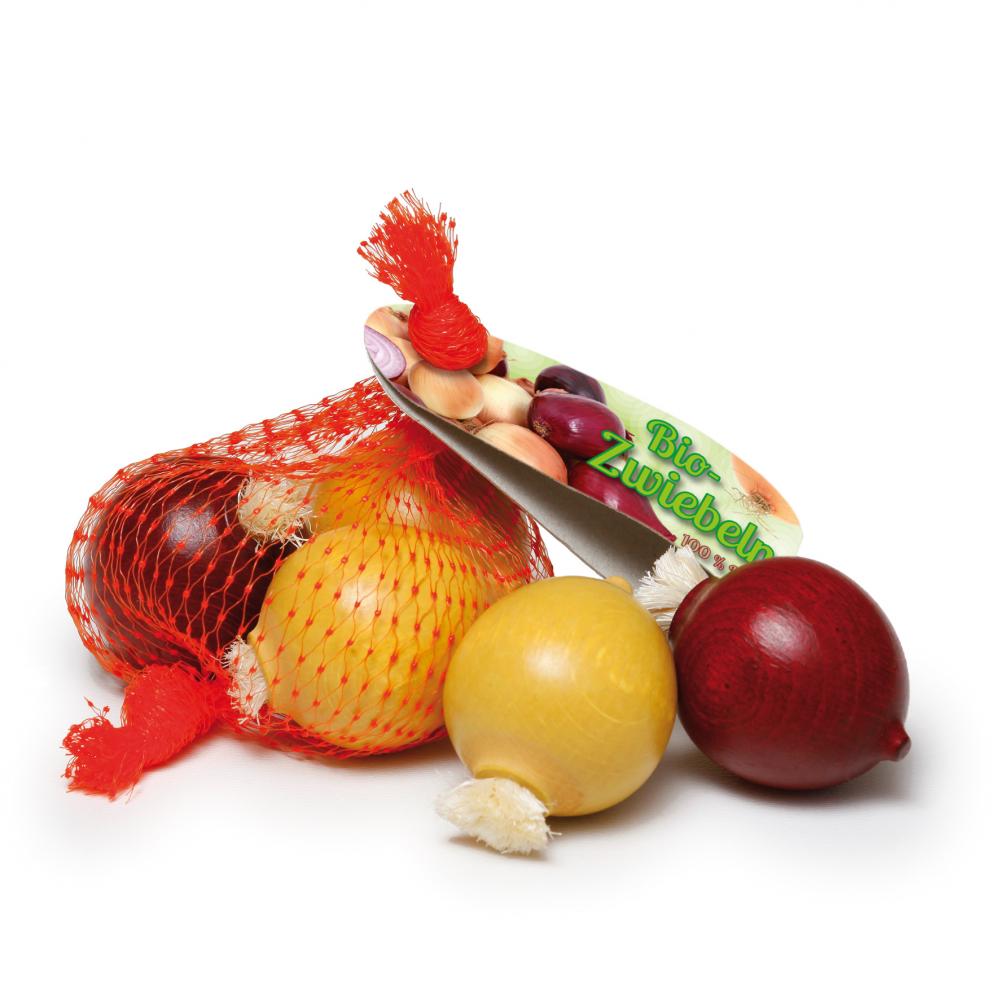
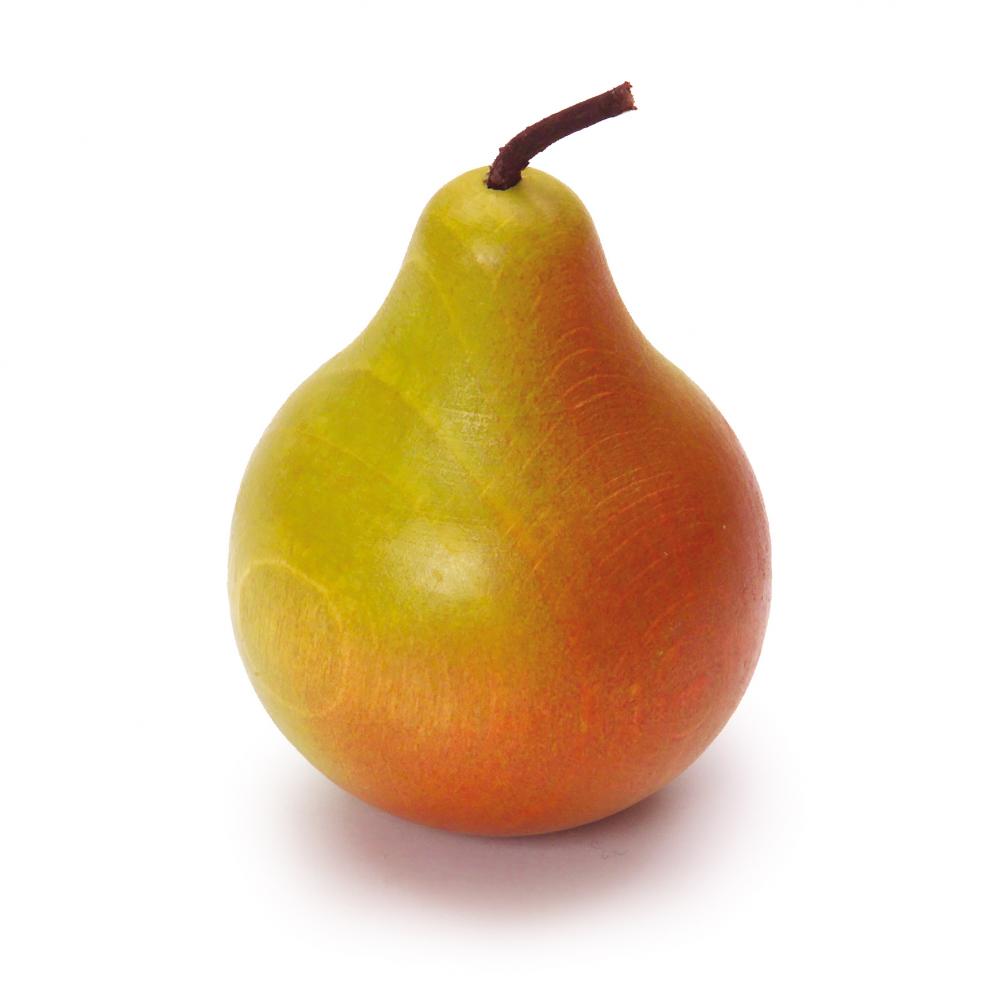
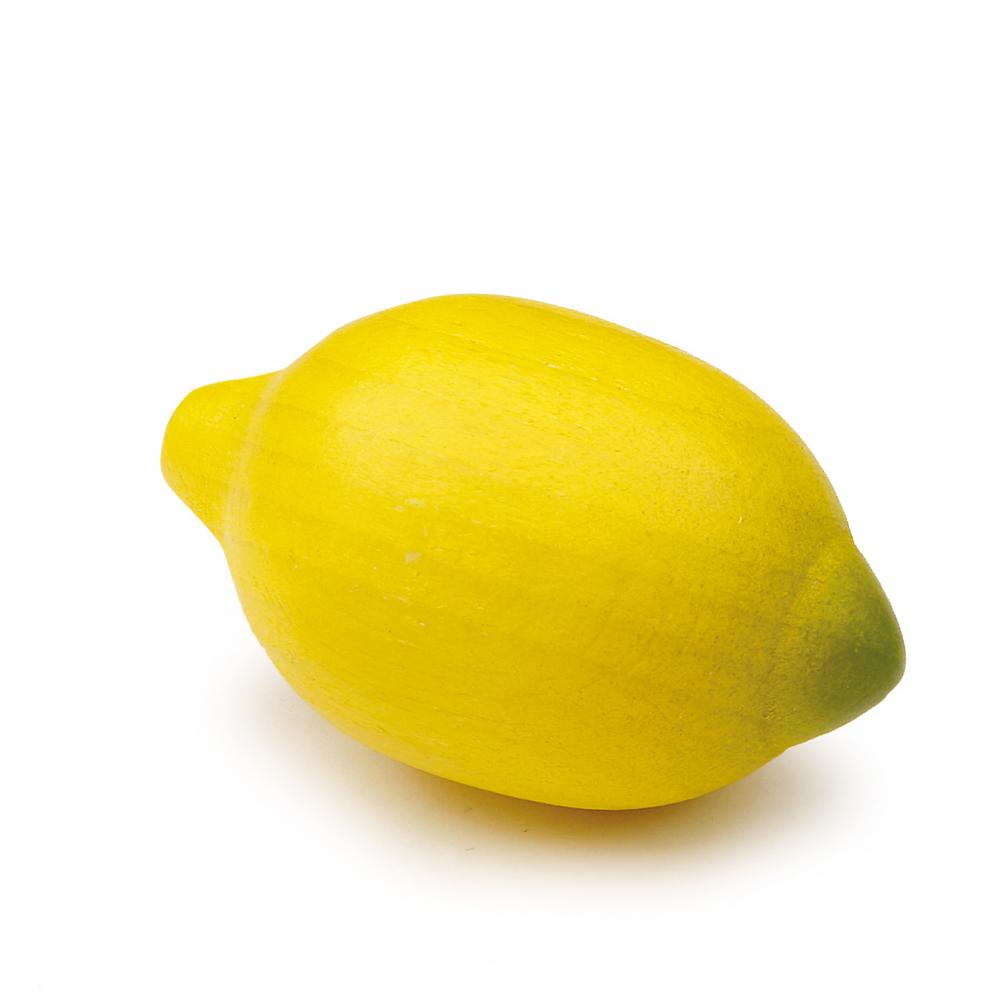
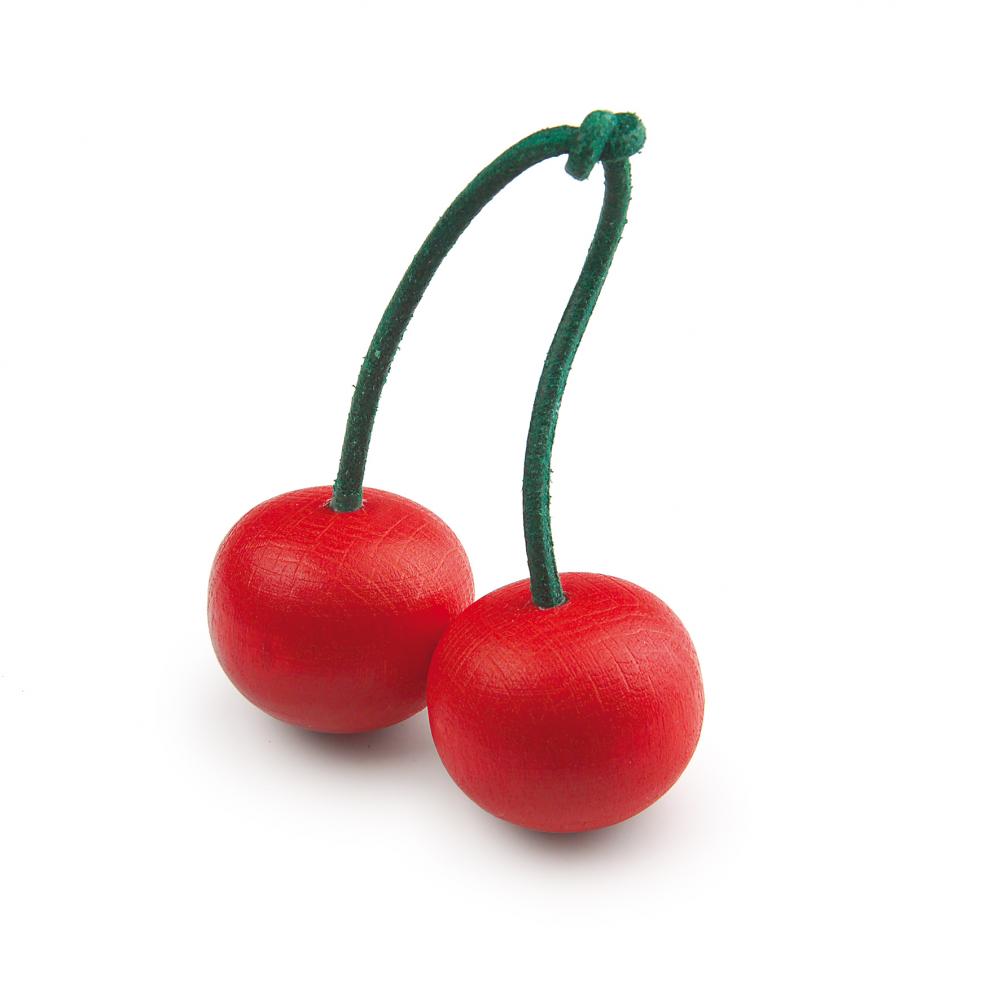
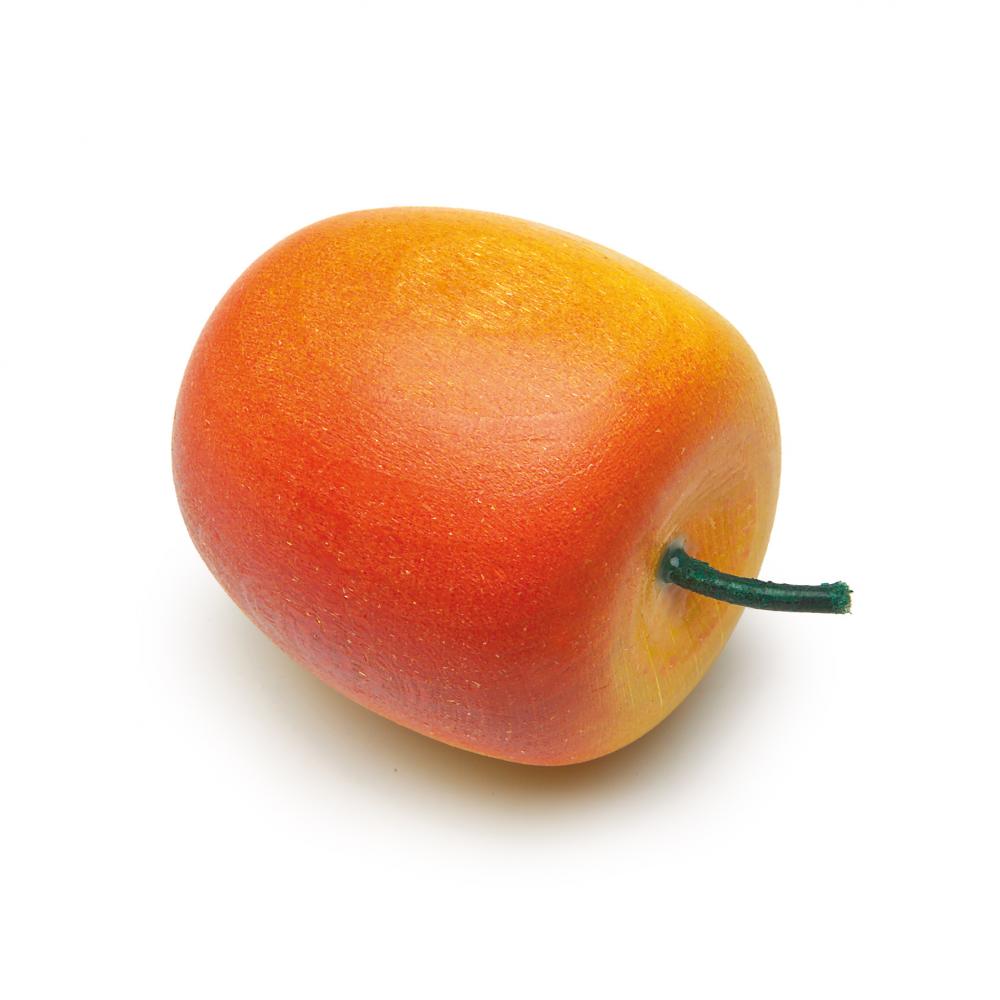
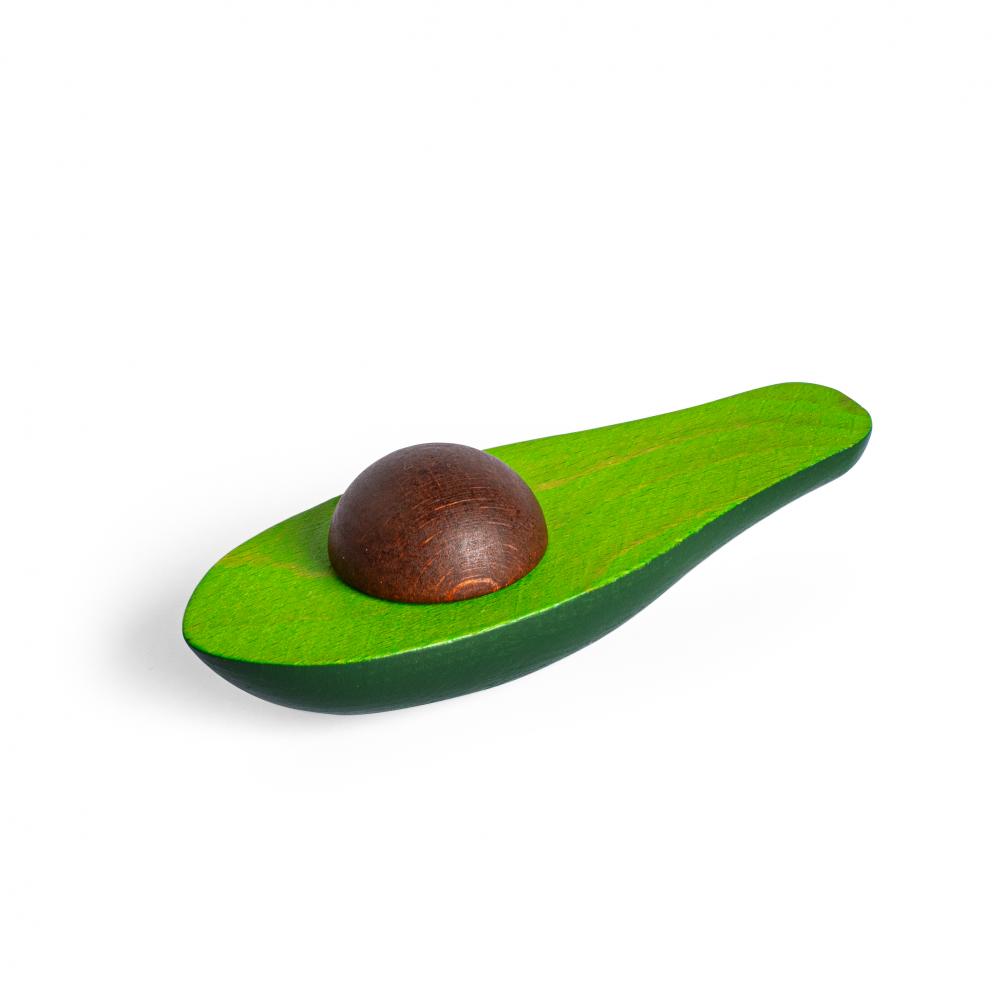
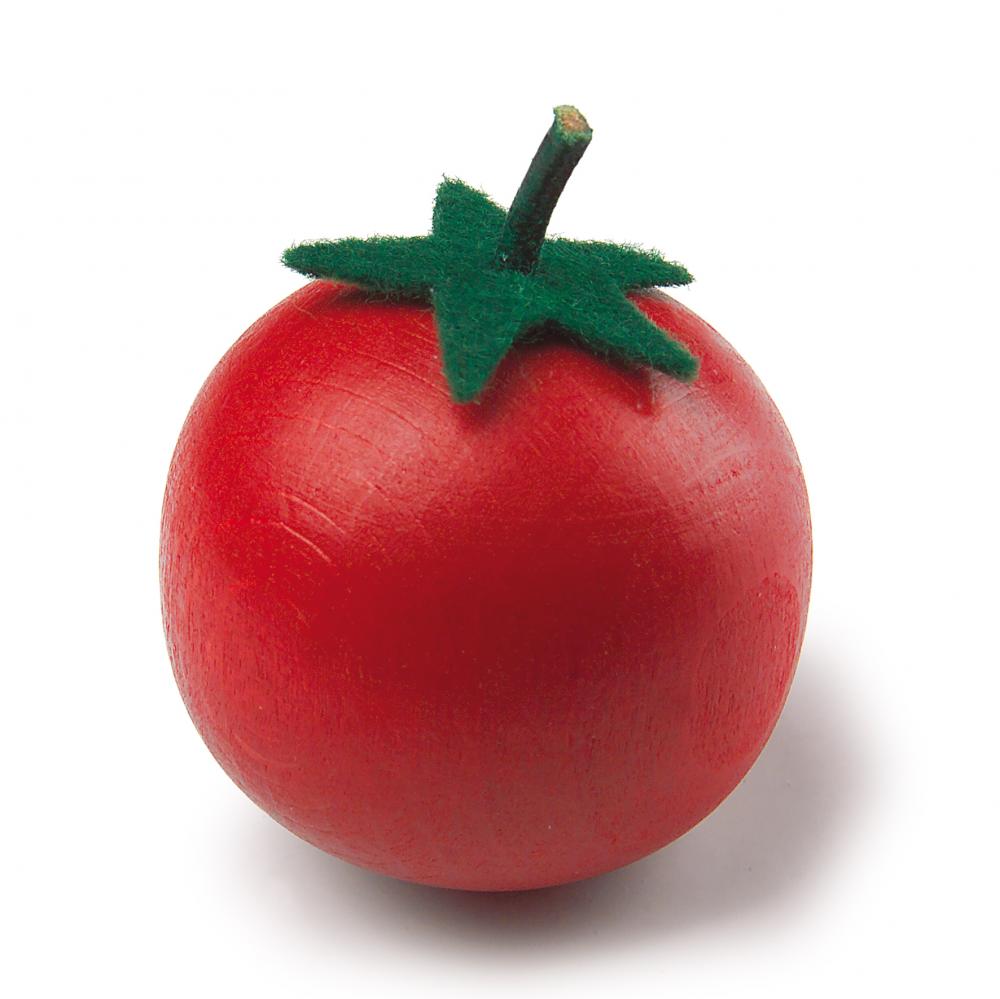
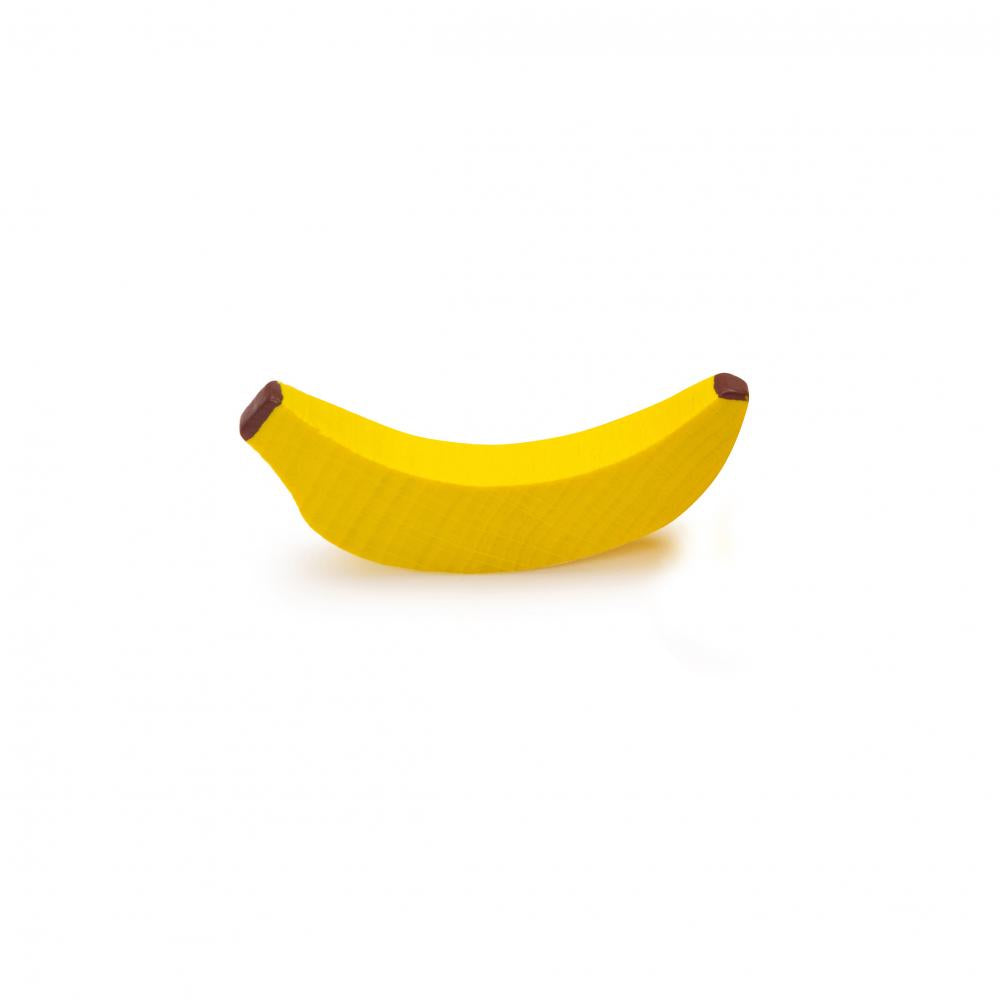
Fruits to cut with their little knife, mesh bags of vegetables, breads, cakes, and grocery items: these are the staples of shopkeeper play. The sliceable food, held together by discreet Velcro, develops fine motor skills and keeps children occupied for ages.
Tableware and kitchen accessories
Stainless steel pots with wooden handles, silicone sets, cutlery, spatulas, and baking moulds. Everything needed to equip a miniature kitchen or simply set a pretty table for stuffed animals and dolls.
Toy shops and grocery stalls
Scales, cash registers, shopping trolleys, stocked stalls: the shop introduces counting, exchanging, and the first notions of money, without ever feeling like a lesson.
Kitchens and large sets
Wooden kitchens, barbecues, coffee machines, and baking sets: the centrepieces, the ones that become the memorable birthday gift.
At what age should you give a play food set?
The first pretend play games centred around meals appear around 18 months to 2 years old, with food that is simple to handle and robust tableware. Between 3 and 4 years old, the play becomes more complex: the child invents recipes, invites guests, and has their customers pay. This is the ideal age for a complete kitchen or a shop. Always check the recommended age indicated on each product page, as some small accessories are not suitable before 3 years old. To find out more, our guide Wooden play food: at what age to give it details each stage.
Wood or silicone: how to choose?
Wood offers realism, weight, and the sound of the real thing: it is the choice for play food sets that are passed down. Silicone is lighter, flexible, and washable, perfect for the youngest children and for taking everywhere. Both pair very well together in the same child's kitchen.
Our play food selection
At Maison Canailles, we have gathered the most beautiful pieces from our favourite brands, from the German maker Erzi to the Dutch brand Little Dutch, by way of Janod and Tiny Harlow, prioritising solid woods, safe lacquers, and toys that last. Every piece can be found in the selection above.
Frequently asked questions
How do you care for a wooden play food set? A slightly damp cloth is enough; never soak the pieces in water. Silicone items can simply be washed in soapy water. Specific care instructions are given on each product page.
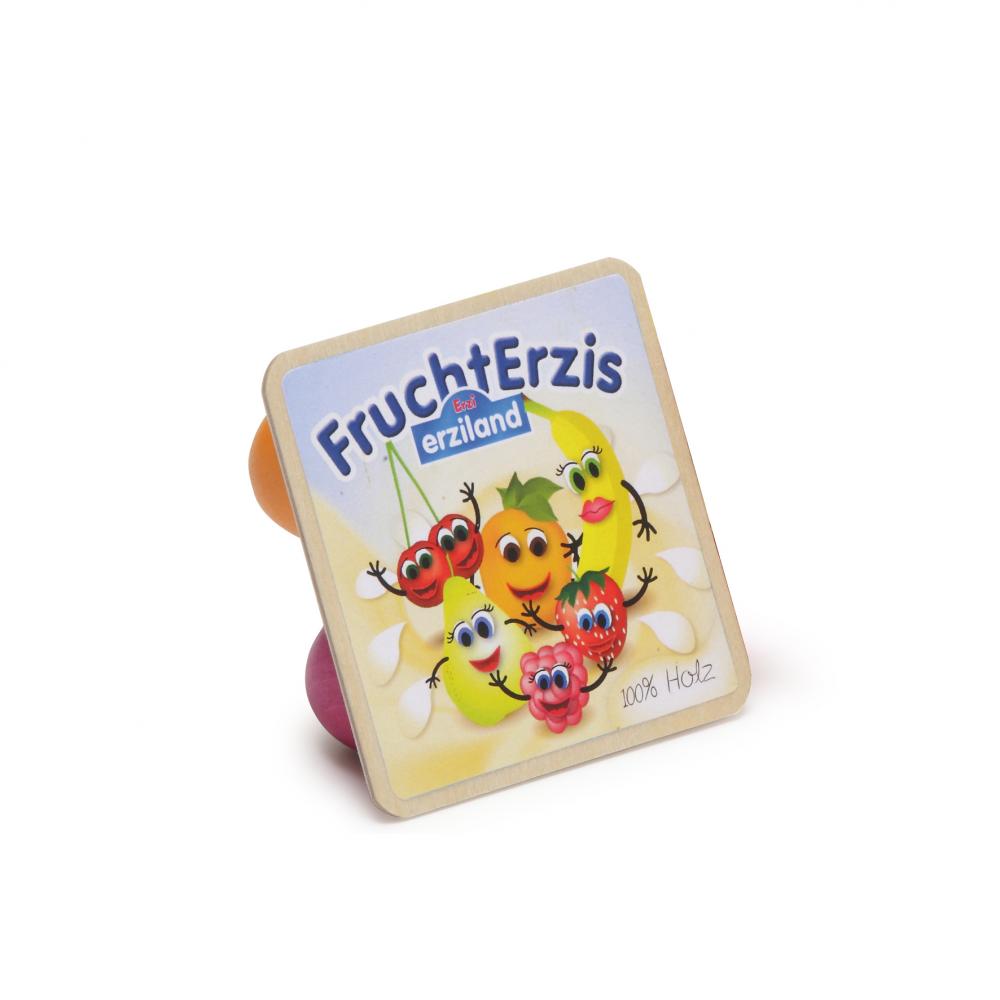
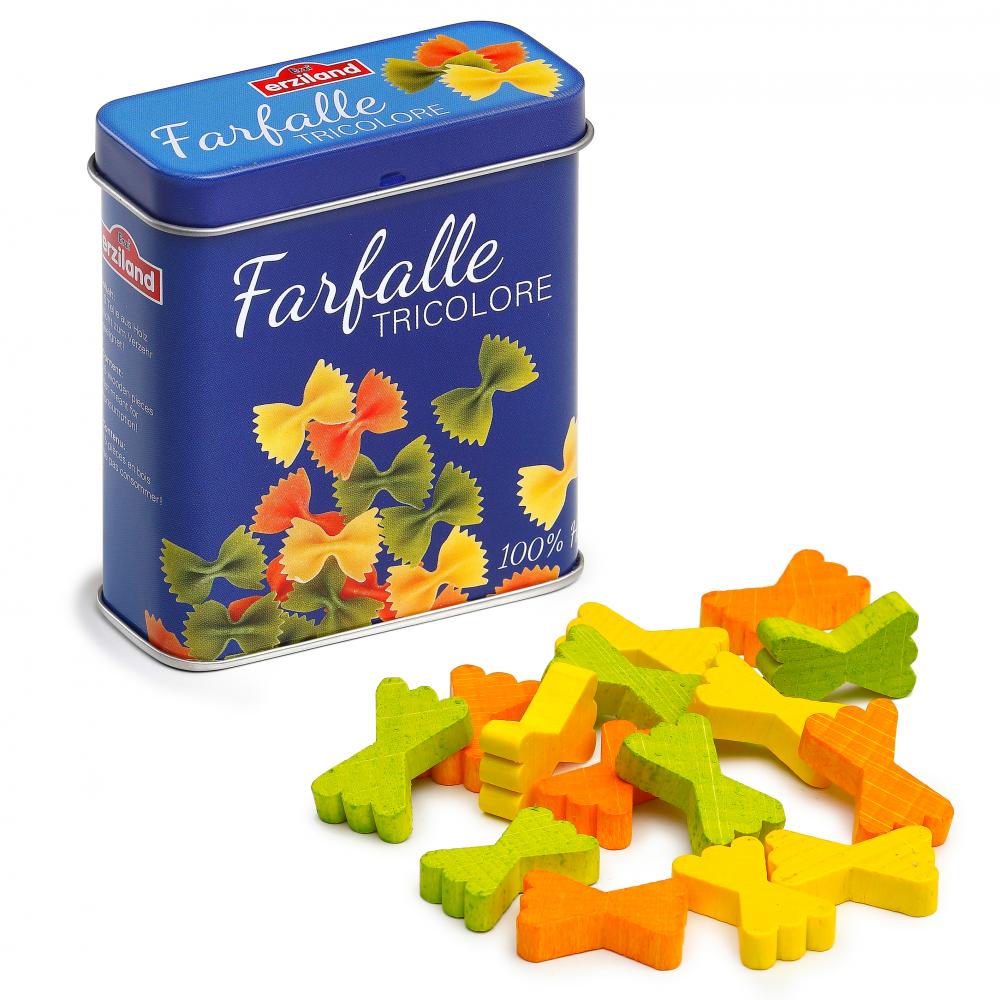
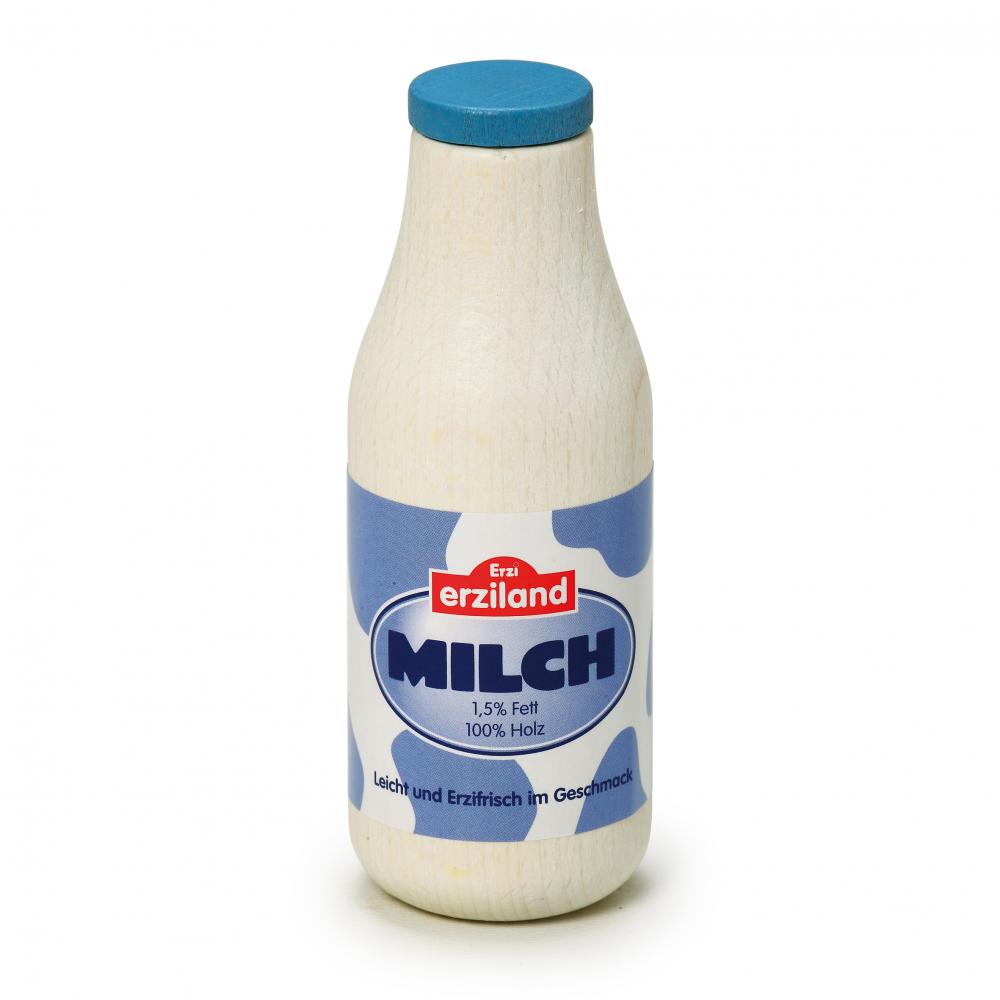
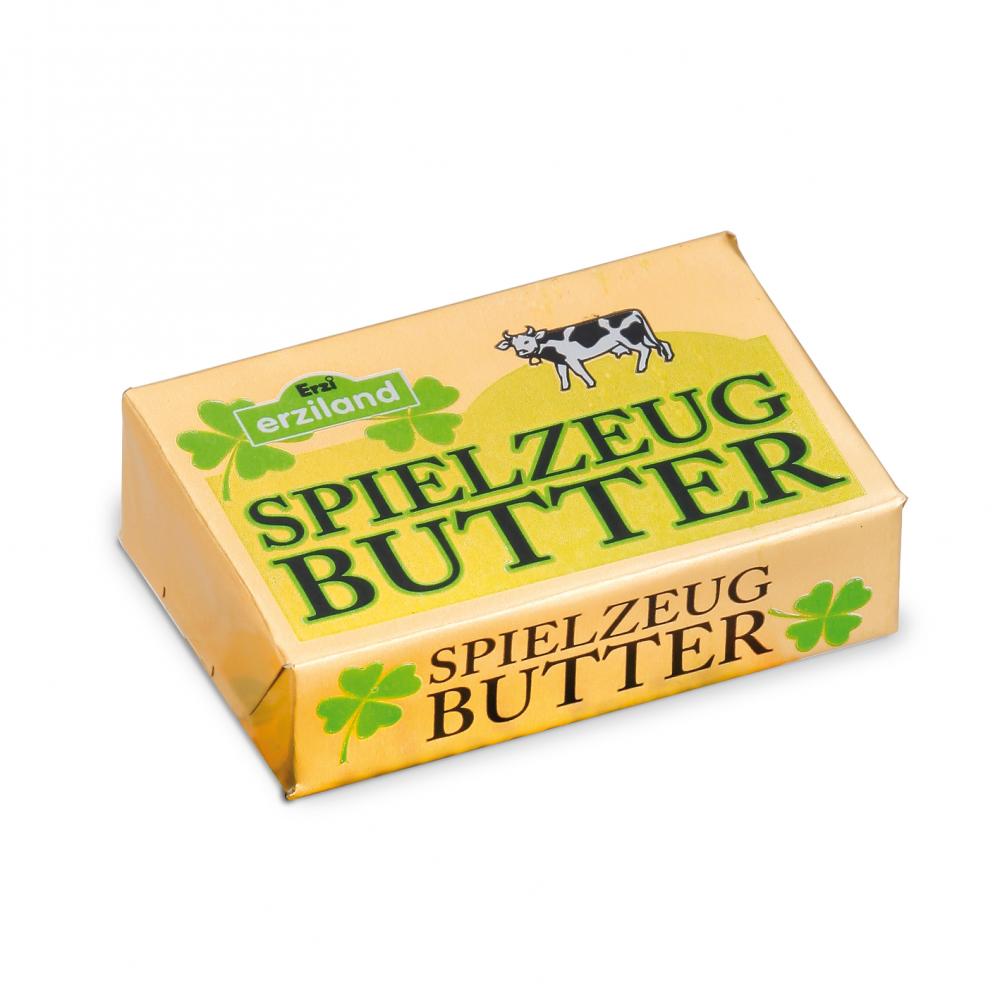
Can a play food set be added to over time? Yes, and it even makes a lovely gift idea: many pieces in our selection, notably the Erzi food, are sold individually. A birthday, a Christmas, and the kitchen grows little by little.
Is play food for girls or for boys? For all children. Cooking, serving, running a grocery shop: these are everyday gestures that every child observes and loves to imitate.